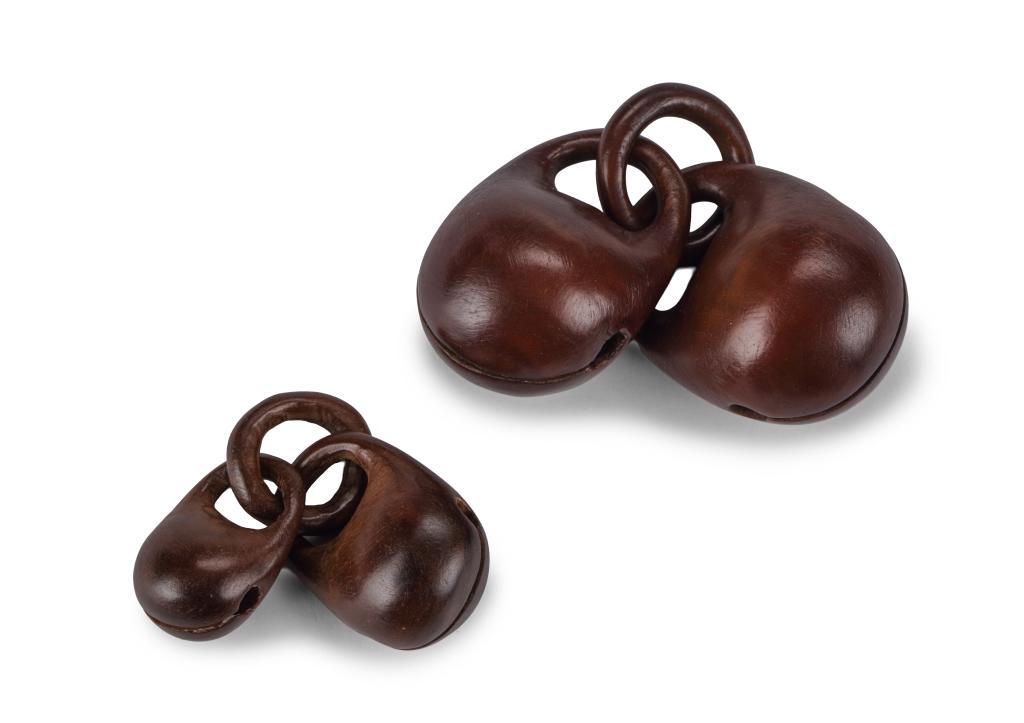
Two rare netsuke of linked bells
H. 3.5 and 2.7 cm, unsigned
A rare pair of wood netsuke, each carved in the form of two bells connected by a wooden ring. The interior of the bells is hollow, making the pieces lightweight, and the wood surface is smooth and polished.
Part of the Japan collection.
Related objects
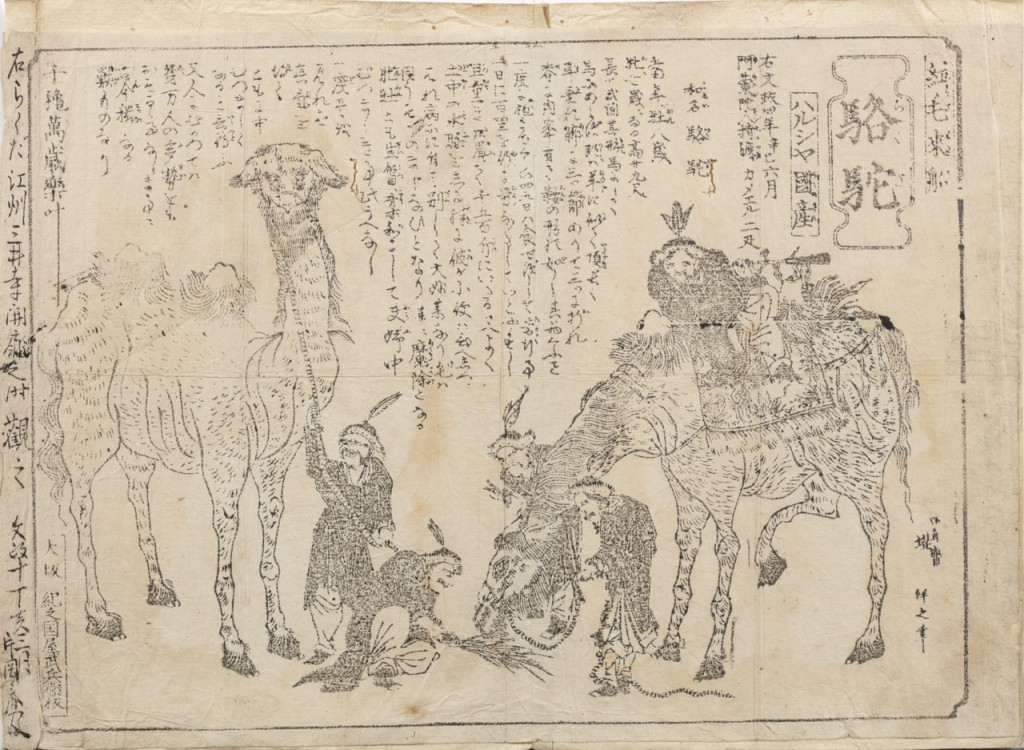
A Japanese Nagasaki-e print, nishiki-e, depicting two camels
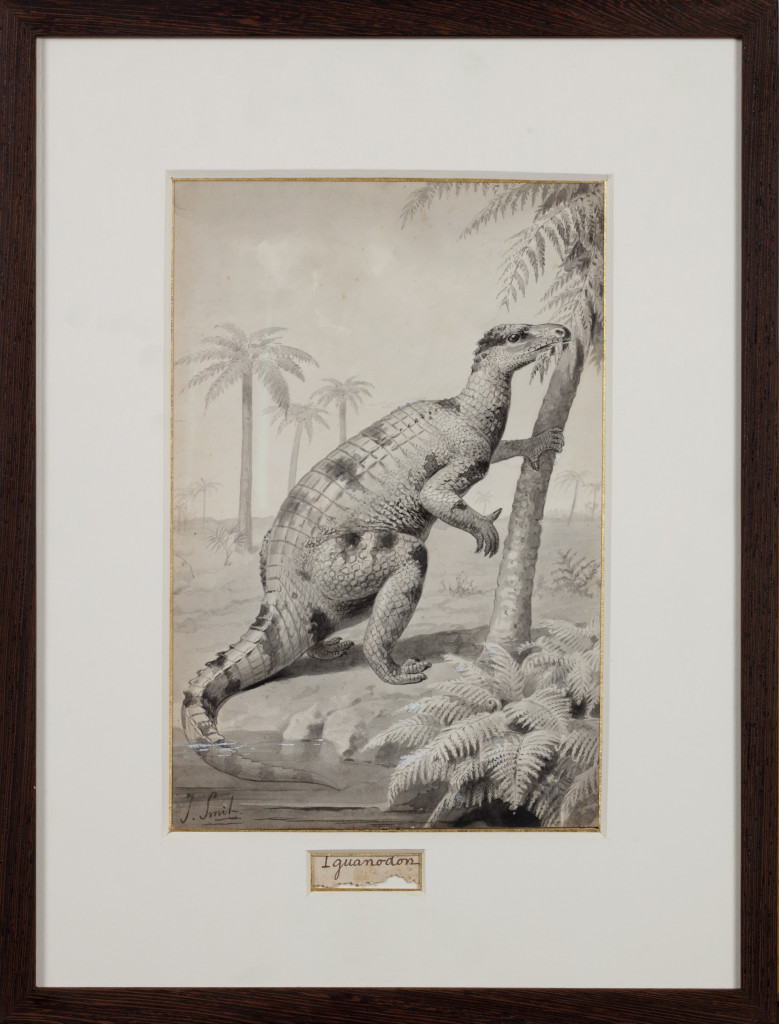
Two original late 19th century drawings, commissioned by Henry R. Knipe for his famous book Nebula to Man, published by J.M. Dent & Co., London, 1905
Henry R. Knipe (1854-1918), a geologist from Tunbridge Wells in Sussex, was a member of the Linnean and Geological Societies. He wrote two works on palaeontology, Nebula to Man (1905), which was written in rhyming verse, and Evolution in the Past (1912). His obituary in Geological Magazine recorded that he devoted “much time and labour to the popularization of the study of extinct animals in this country. With the aid especially of the Staff of the British Museum... he attempted to portray the animals of the past as they appeared when living, and sparing no expense, he employed the most skilled artists to carry out his plans”. The impressions of the discovered fossils rocked the world, and nowadays seem quite accurate as well
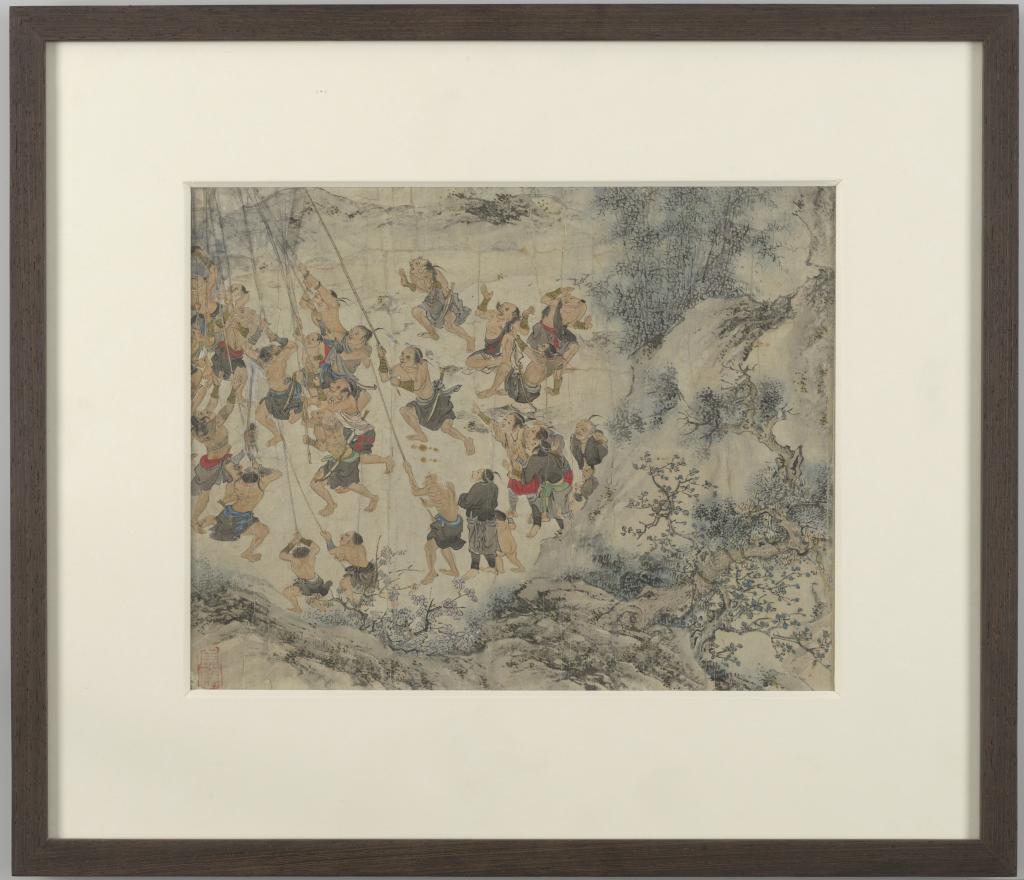
A pair of extremely rare drawings depicting Taiwanese Aborigines
_Taiwan (Formosa), circa 1744-1747, possibly earlier _ _H. 22.5 x W. 26 cm (each)_ Each drawing marked with a seal Possibly these paintings are part from the series now found in the Museum of the Institute of History and Philology in Taipei, see: [object.no. 85361](https://museum.sinica.edu.tw/en/exhibition/15/item/290/) Provenance: Collection Li Ai Vee (1932-2021), Switserland