Decorative Art in XVIII Century Perú: Prestige and Power
By Silvia Vega-LLona, PhD.
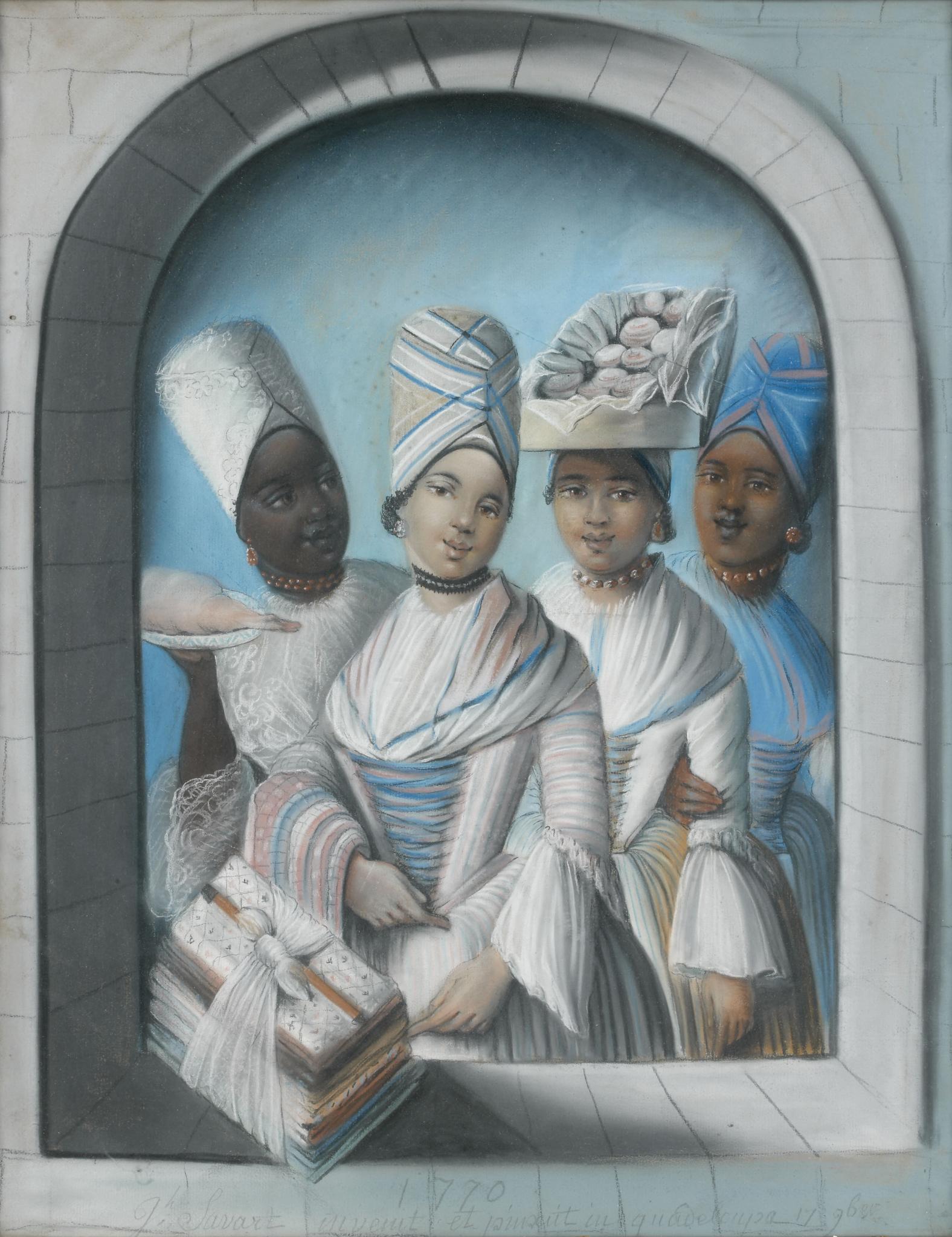
The cabinets presented by Zebregs&Röell at Tefaf 2024 brought me back to my country of origin, Perú, and its capital city, Lima, with all their lore and elegance. I recall the Casonas at the Old Historical Center, where influential and aristocratic families dwelled. They were characterised by elegance, beauty, and a sense of aesthetics that integrated local artistry and craft with imports from other continents.
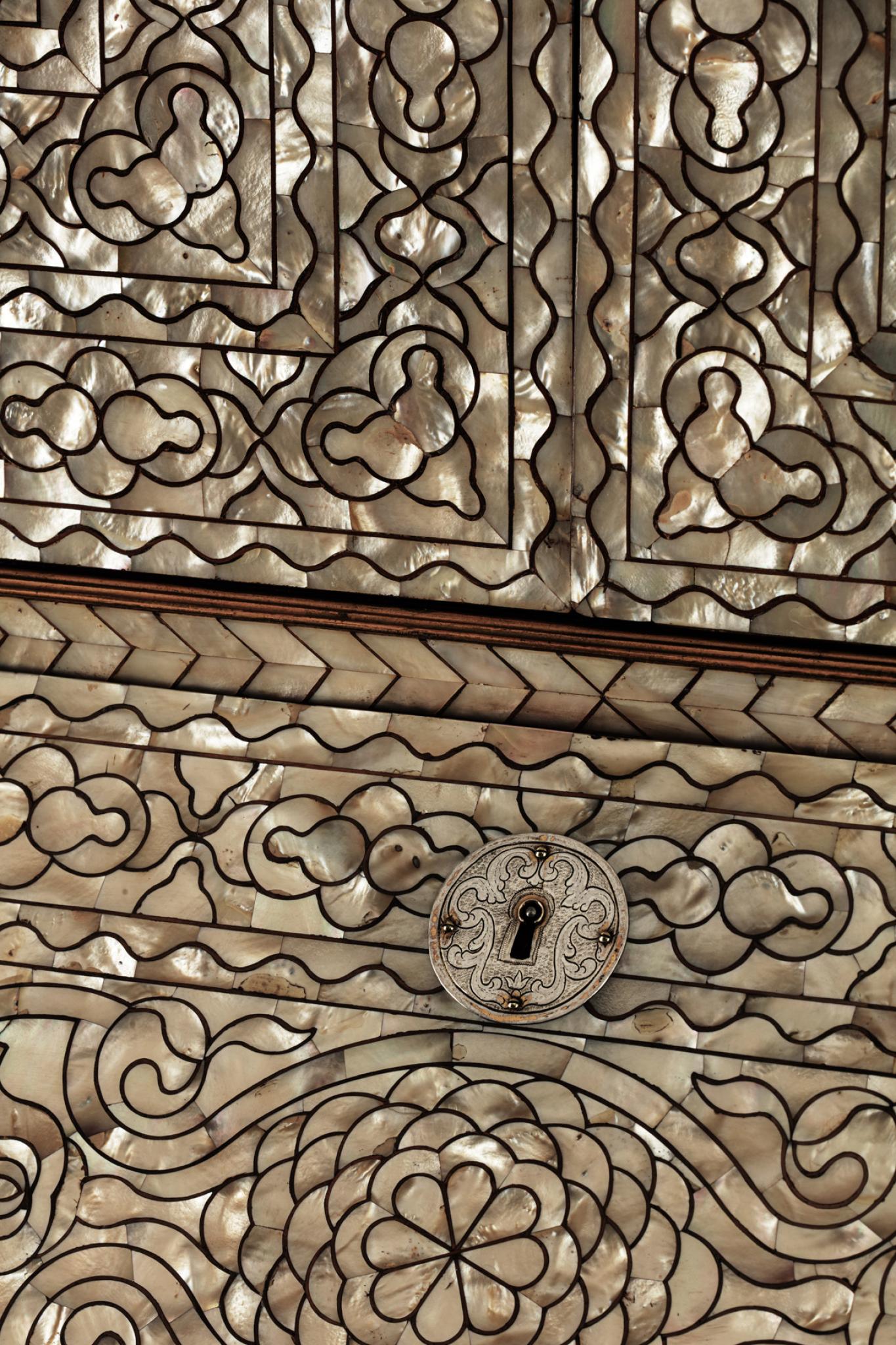
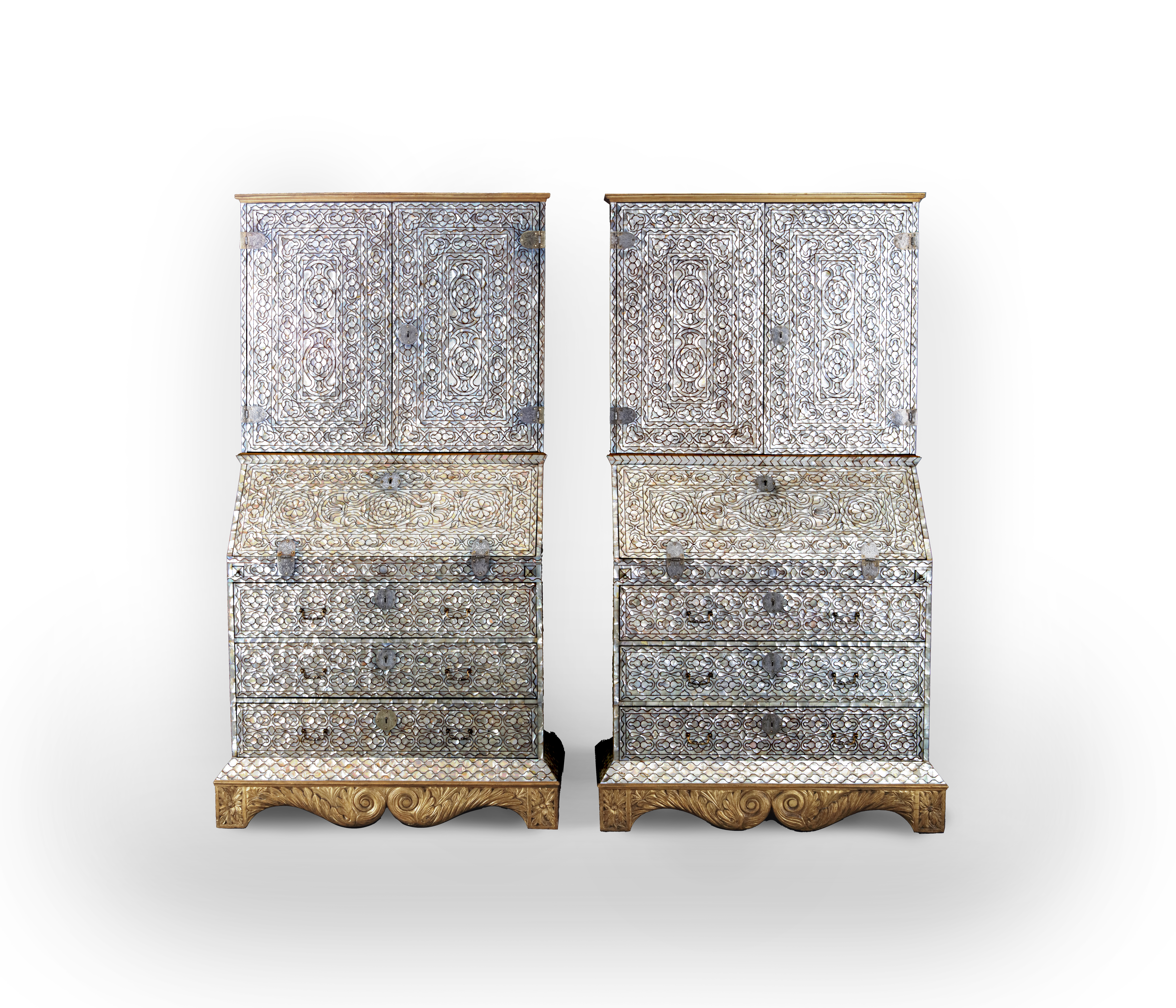
Decorative art has historical, aesthetic and symbolic value. The furniture at the Casonas was highly designed, and at the same time, it had functional value; it was used in daily life or for soirées marked by a celebratory and ritualistic spirit. Some Casonas were built and created soon after the origins of the Viceroyalty of Perú in 1542. Lima was “la Ciudad de los Reyes” (the city of the King and Queen), the capital of one of the largest empires during the XVIII Century. It is within this context that we should visually imagine the original place where the mother-of-pearl inlaid bureau cabinets with elaborated silver mounts had a home.
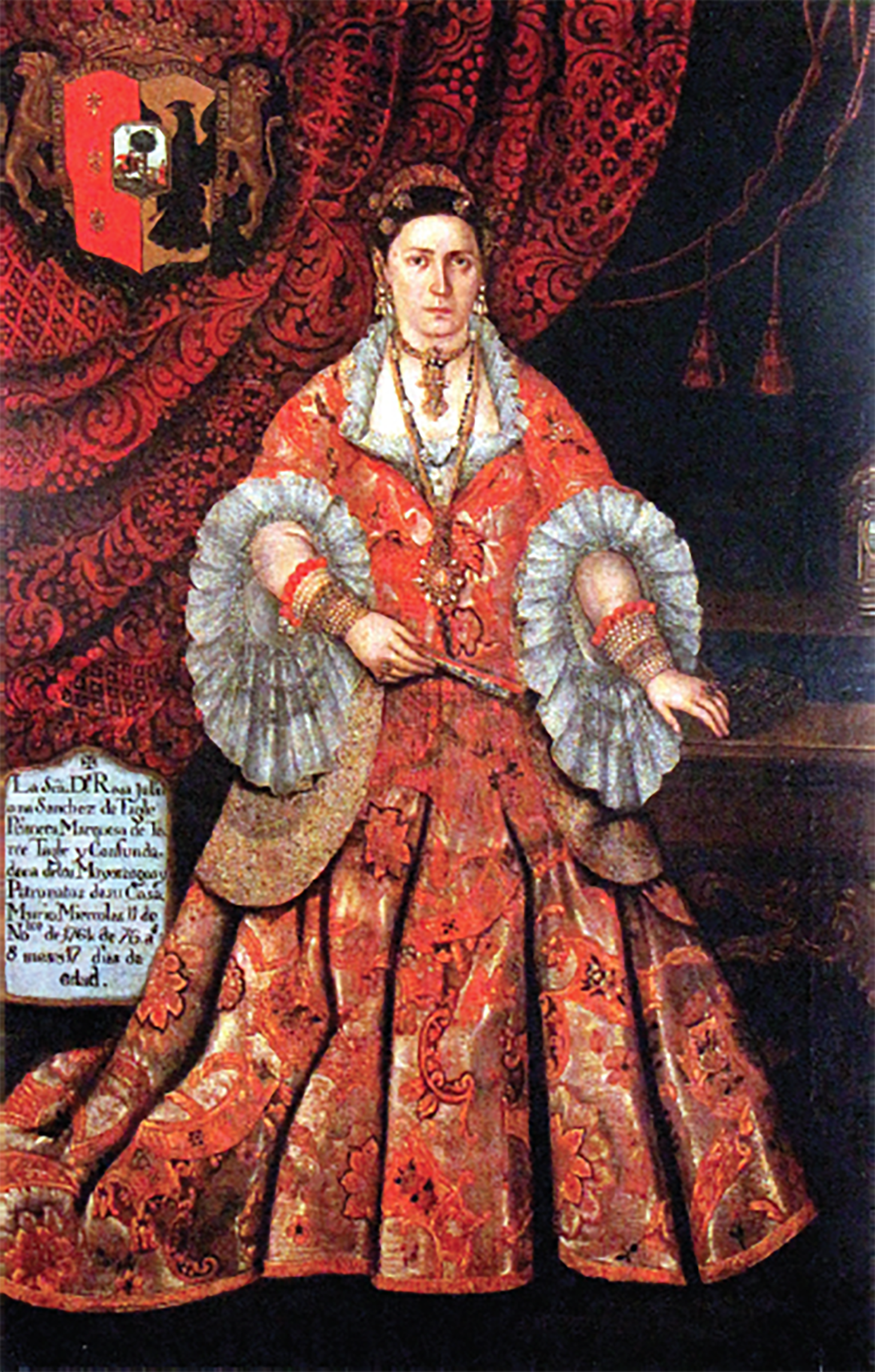 Cristóbal de Aguilar, Señora doña Rosa Juliana Sánchez I Marquesa de Torre Tagle, c. 1743-1756, Palacio de Torre Tagle, now the Ministry of Foreign Affairs in Lima
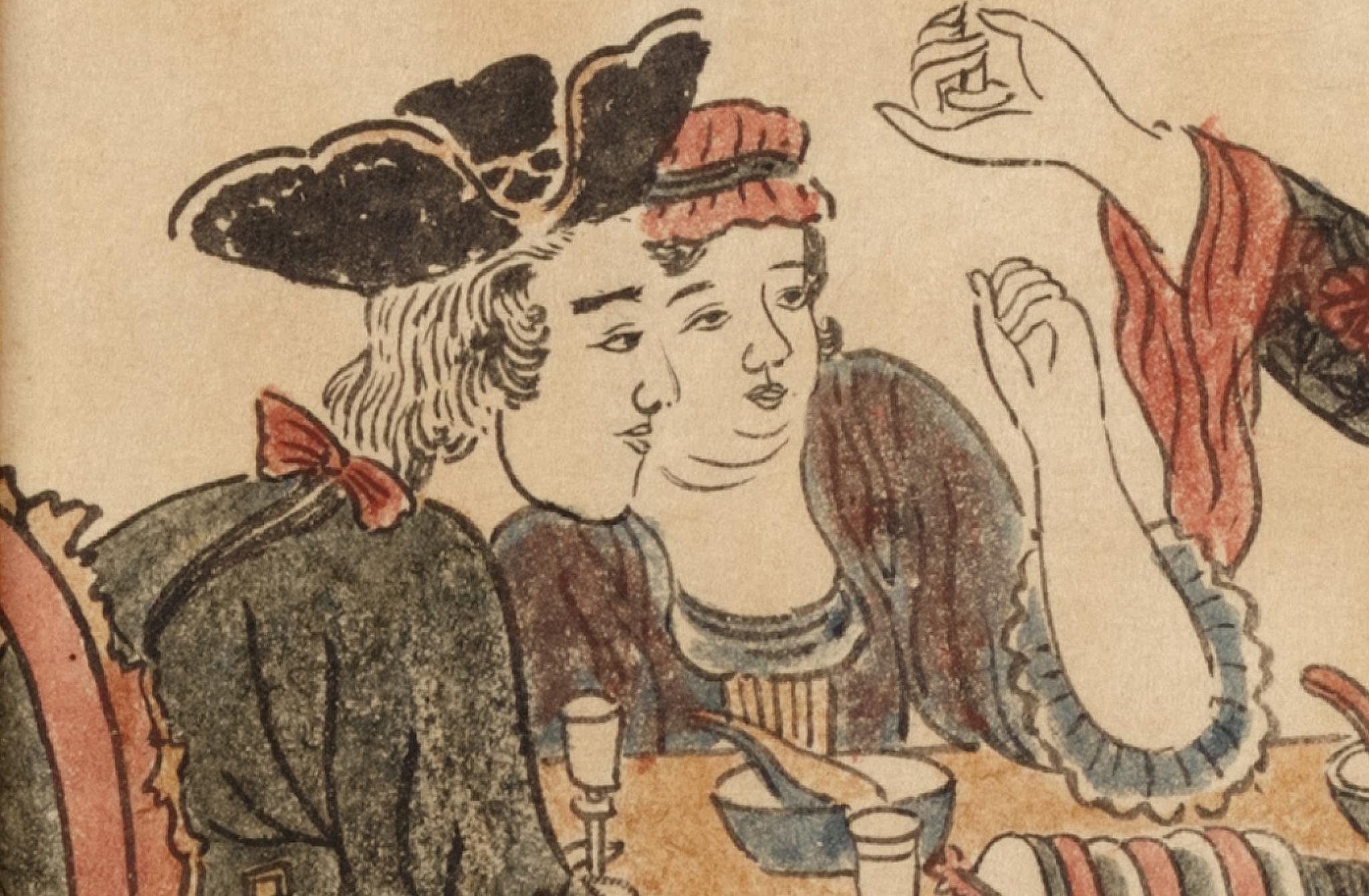
It was during the XVIII century, in particular, when the local artists were given more freedom to move away from religious themes - one of the reasons being the circuits of exchange with the Orient. The Viceroyalty of Perú was influenced by the Orient due to its geographical position bordering along the Pacific Ocean—material culture and immigrants arrived at the Peruvian coast. Luxurious objects would also make their way from Spain, Asia, and New Spain.
This global movement across continents influenced the local workshops where alliances between experts in the different arts and crafts worked together. Archival material indicates that in one workshop, one could find the expert in wood and carpentry, the specialist in enconchado, and the maestro in metalwork. These talented people would combine their mastery and skills in the creation of one piece like the present pair of cabinets. This attests to the convergence of cultures in the decorative arts and the complexity of the cabinets, both in their visual delicacy and cultural value.
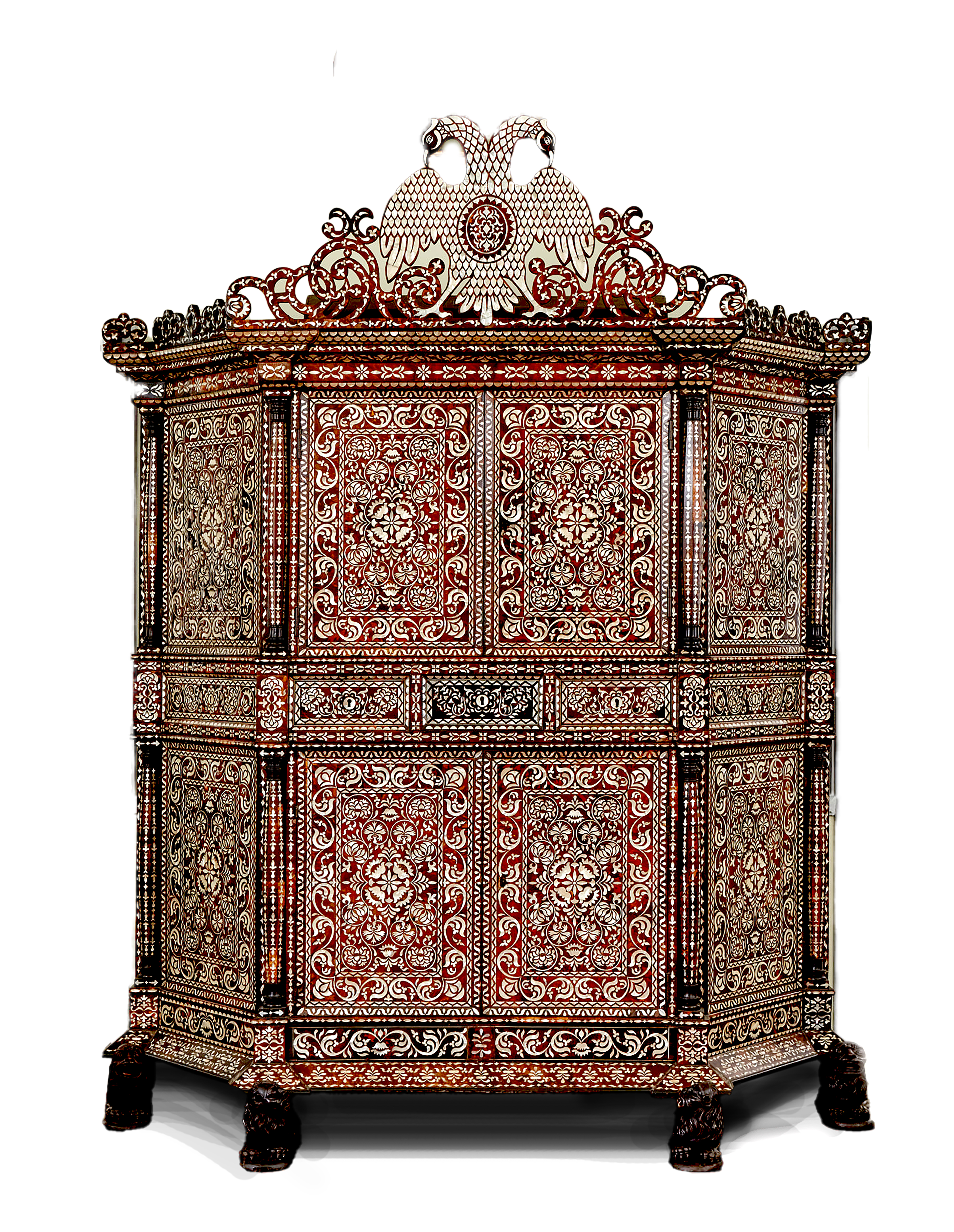 A large enconchado armoire, Lima, 18th century Museum Pedro de Osma,Lima
Expanding our meditation and analysis of these pieces is relevant to mention their political and social symbolic value. In Viceregal Perú, the enconchado furniture (mother- of-pearl) mainly was kept in private homes (casonas) and was displayed throughout different ambiences within the house. The more valuable and complex the furniture, the more it served for self-presentation and political power. These casonas were designed conveying structures of hierarchy—the most valuable enconchados were displayed in the rooms to entertain the significantly influential guests, or for resting areas of respected guest that came from other cities and continents.
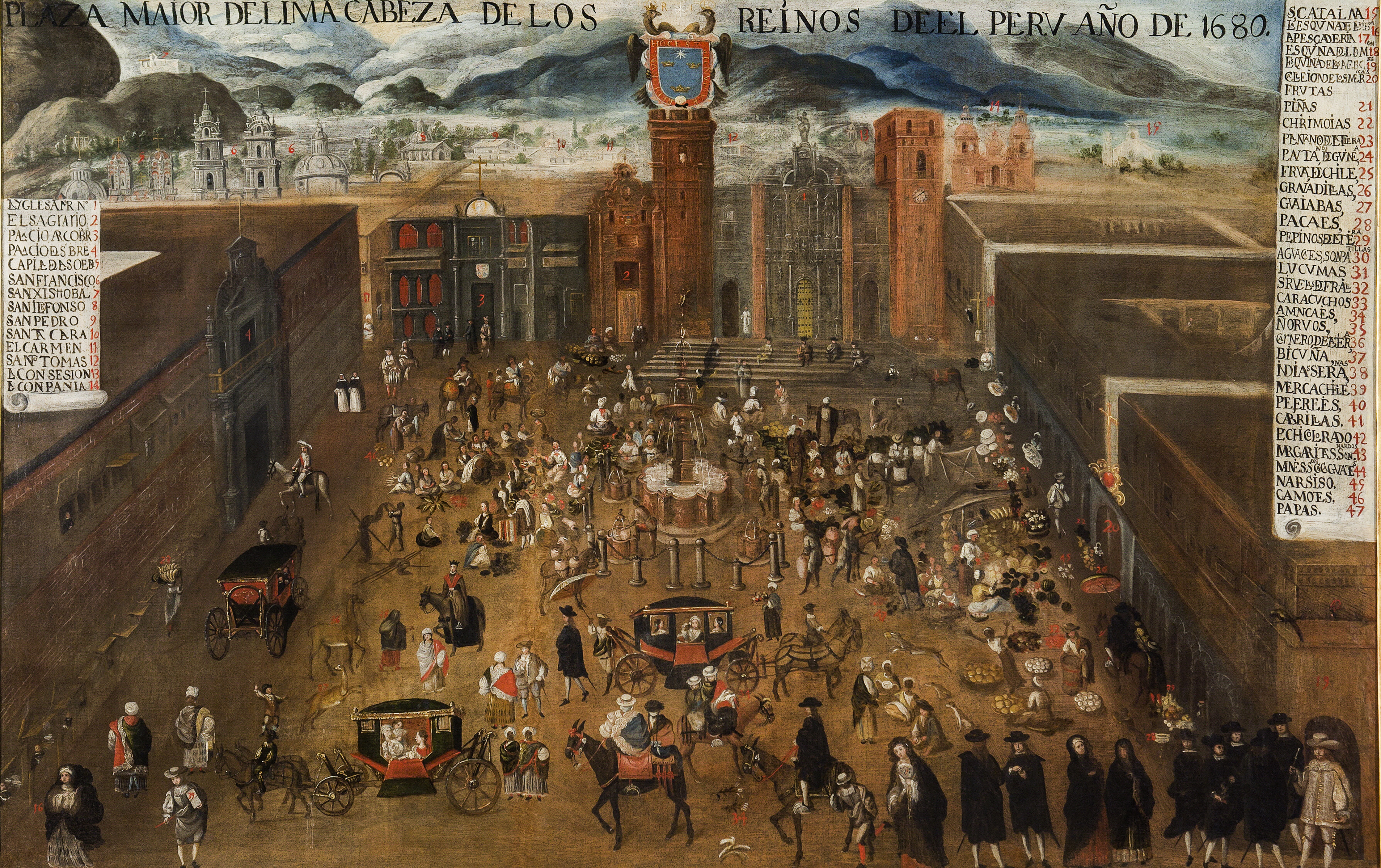 Vista de la Plaza Mayor de Lima antes del terremoto de 1687, a view on the main plaza in Lima. Many people from different cultures can be destinguished, amongst who probably Africans, Arabians, Indigenous, Europeans and quite a lot of South Asian or Indian looking figures. This might point towards the Gujarati, who could work mother-of-pearl so well. (Museo de América)
Research further indicates that this type of furniture could also be found in ecclesiastical institutions and religious rituals like the canonisation in Rome of Francisco Solanomin 1726, whose Major shrine is in Lima. The XVII and XVIII century archives attest that mother-of-pearl had commercial and luxurious value. For example, it is documented that if the cabinets were used as dressers or chests by aristocratic women, these would be presented as part of the patrimony before the wedding.
It is worth noting that the XVIII century Viceroyalty went through changes in the social hierarchy; the old Monarchy was dissolving, and a new commercial class bought novelty titles, or in other instances, the Crown offered the individual the title for his services to the Monarchy. This was an affluent class of landowners or merchants with controversial standing in a hierarchical society marked by an unequal distribution of wealth. This emergent class showed its power, in part, through the quality of the furniture they had in their homes.
The furniture stood as signifiers of wealth and taste and contributed to their identity as a part of the new nobility. Studies suggest that mother-of-pearl furniture made in Lima during the XVIII century had symbolic exchange value and served as carriers of power, prestige, and wealth.
Sources:
- Exhibition catalogue, Behind Closed Doors: Art and Identity in Spanish American Homes, 1492-1898, Brooklyn Museum of Art, 2013
- María Campos Carlés de Peña, A surviving Legacy in Spanish America: 17th and 18th-century Furniture from the Viceroyalty of Peru, Madrid, Ediciones El Viso, 2013 - Museo Pedro de Osma, Lima, Perú (webpage)
- Gabriela Germaná Róquez, “El Mueble en el Perú en el Siglo XVIII: estilos, gustos y costumbres de la elite colonial” in: Anajes del Museo de América, 16, Museo de Arte de la Universidad Mayor de San Marcos, 2008, p. 189-206
- Anthony Holguín Valdez, “El Mobiliario de Concha de Perla en España en las Colleciones de Lima en el Siglo XVIII in: Relaciones Intervirreinales en América, 1521-1821, Paulina Hernández Vargas (ed.), Acer-VOS, 2023, vol 22