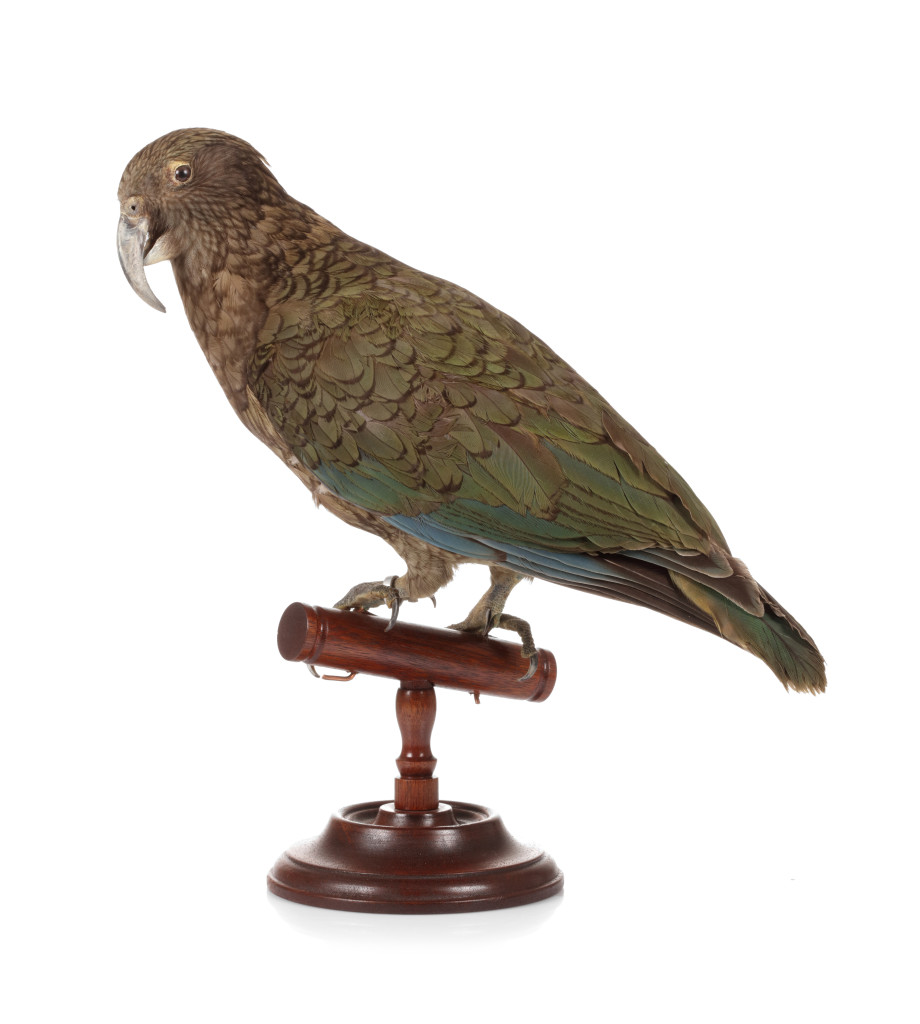
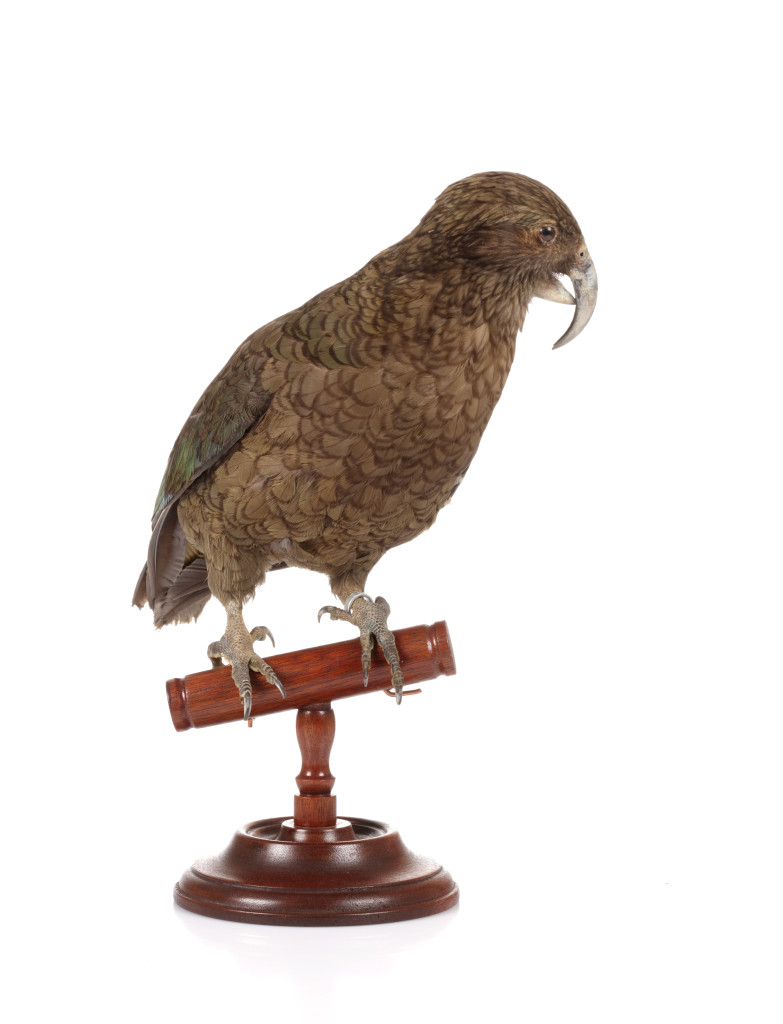
An antique taxidermy Kea (Nestor notabilis)
England, 19th century
Provenance:
Private collection, Belgium
The kea, indigenous to New Zealand’s Southern Alps, was considered a cunning trickster by the Māori. It is perceived in their tradition as a kaitiaki (guardian) of the mountains and an emblem of persistence. Its behaviours were occasionally construed as omens or navigational aids for travellers.
European settlers, however, regarded the kea as a pest because of its infamous tendency to scavenge and purported assaults on sheep. This resulted in extensive culling during the 19th and 20th centuries, significantly reducing its number.
Currently, the kea is safeguarded and revered as an emblem of New Zealand’s natural environment. It represents adaptability, intellect, and the equilibrium between nature and human influence, in accordance with Māori values of kaitiakitanga (guardianship).
Provenance:
Private collection, Belgium
The kea, indigenous to New Zealand’s Southern Alps, was considered a cunning trickster by the Māori. It is perceived in their tradition as a kaitiaki (guardian) of the mountains and an emblem of persistence. Its behaviours were occasionally construed as omens or navigational aids for travellers.
European settlers, however, regarded the kea as a pest because of its infamous tendency to scavenge and purported assaults on sheep. This resulted in extensive culling during the 19th and 20th centuries, significantly reducing its number.
Currently, the kea is safeguarded and revered as an emblem of New Zealand’s natural environment. It represents adaptability, intellect, and the equilibrium between nature and human influence, in accordance with Māori values of kaitiakitanga (guardianship).
Part of the Natural history collection.
Related objects
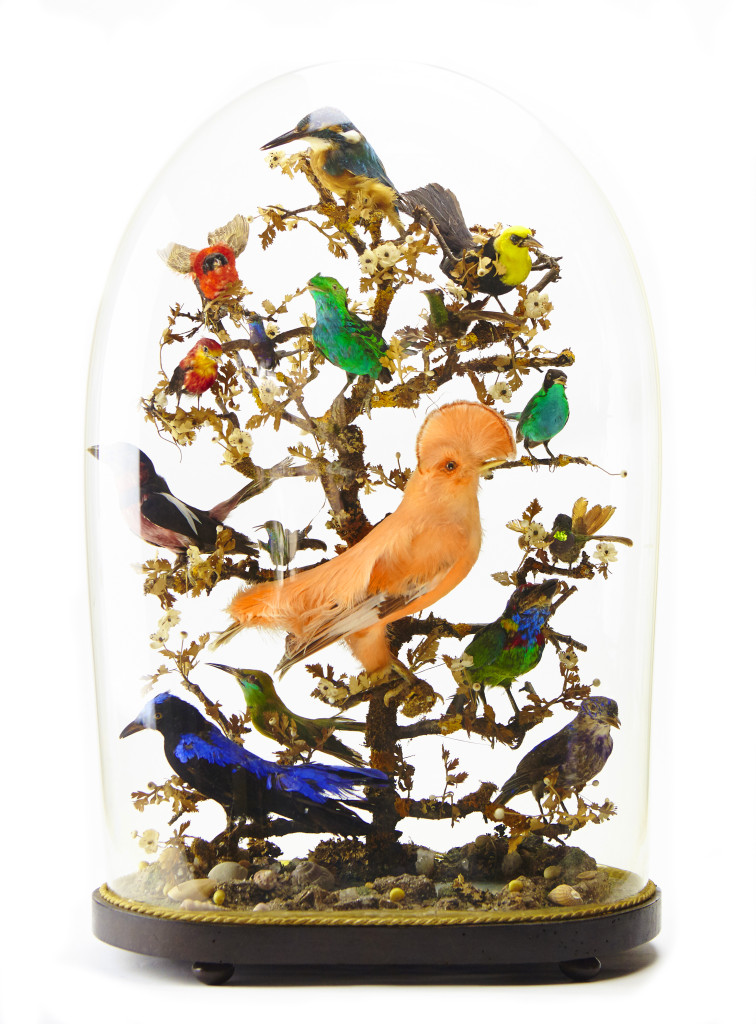
A large French glass dome with Taxidermy tropical birds, a.o. a Cock of the Rock and several Cotinga
A LARGE FRENCH GLASS DOME WITH TAXIDERMY TROPICAL BIRDS, A.O. A COCK OF THE ROCK AND SEVERAL COTINGA
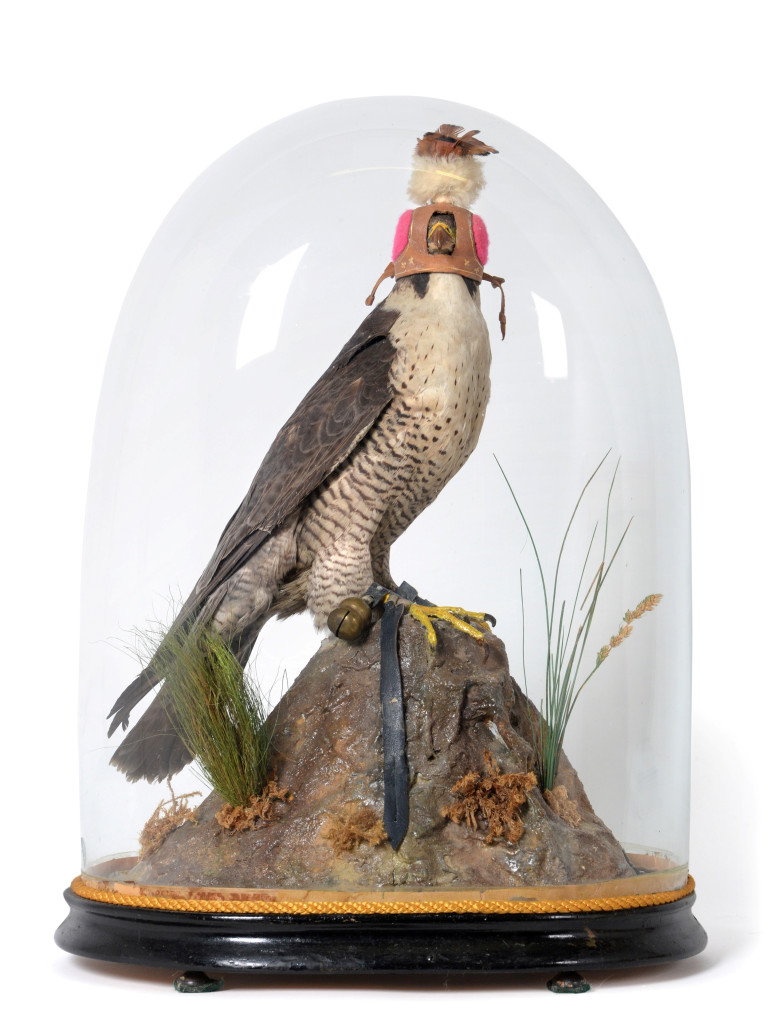
A Victorian Taxidermy hooded Peregrine Falcon
A RARE VICTORIAN TAXIDERMY HOODED PEREGRINE FALCON (FALCO PEREGRINUS)
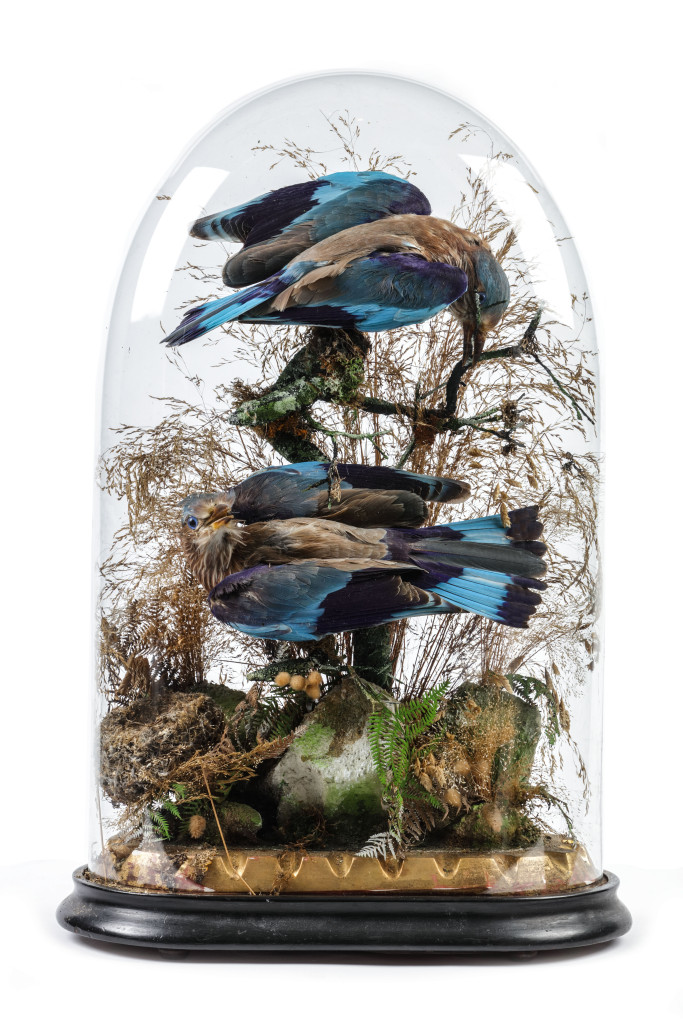
A Victorian taxidermy dome with Indian Roller birds (Coracias benghalensis)
Victorian taxidermy dome with Indian Roller birds (Coracias benghalensis)