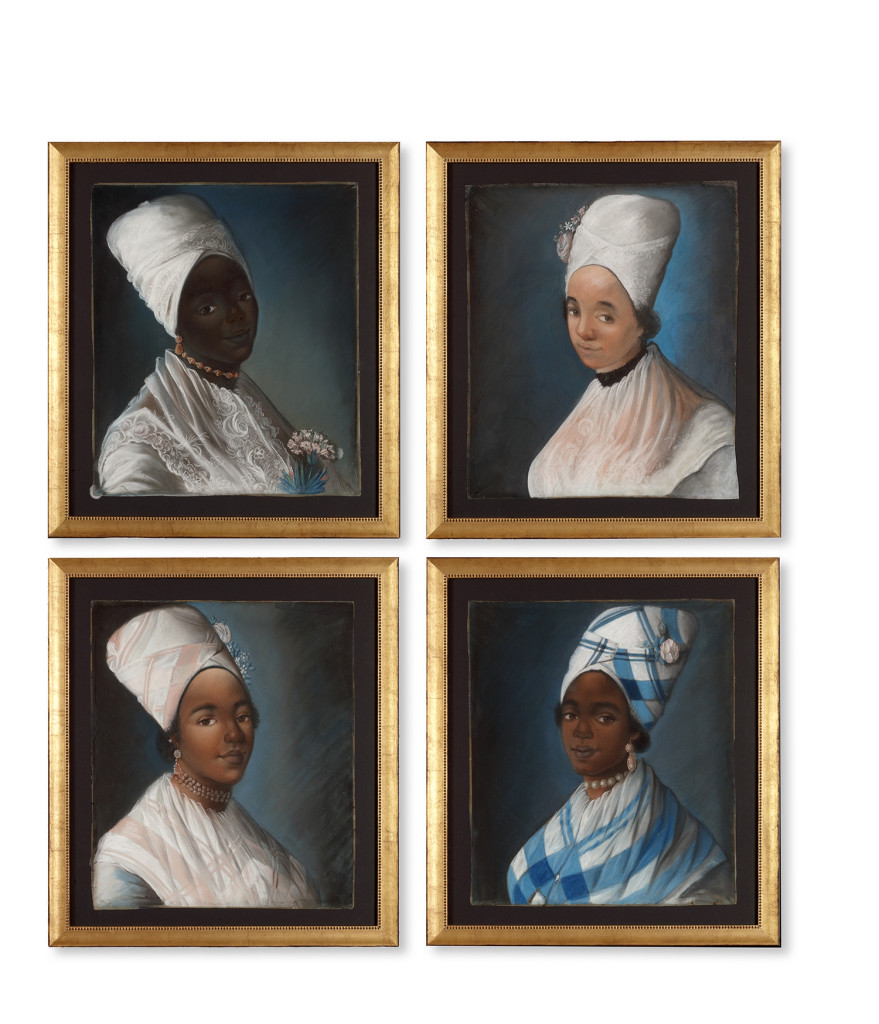
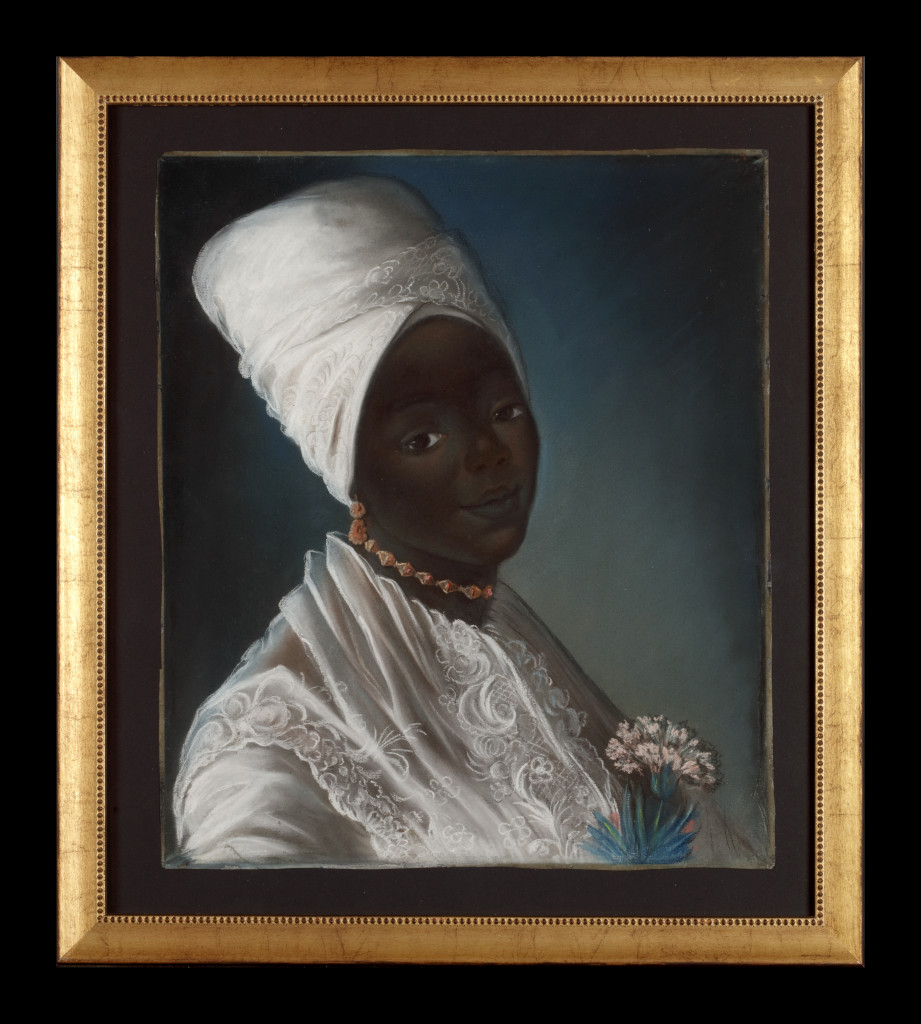
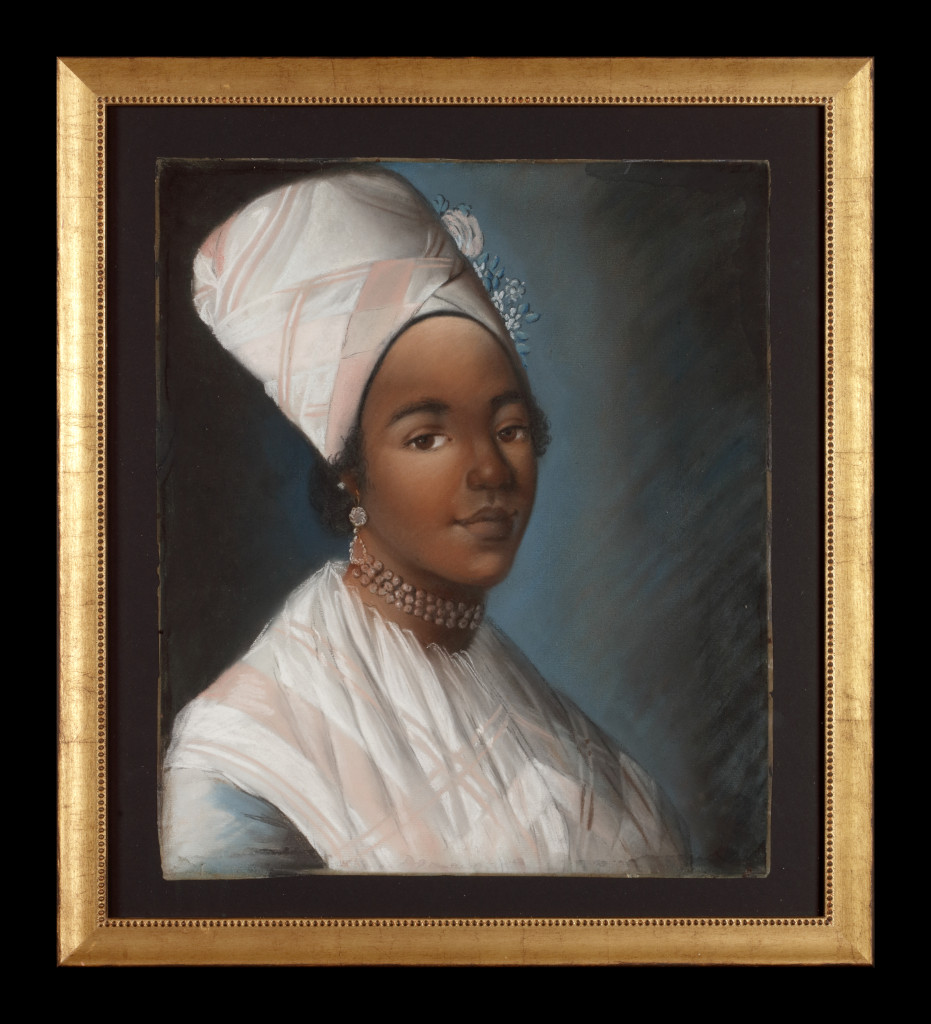
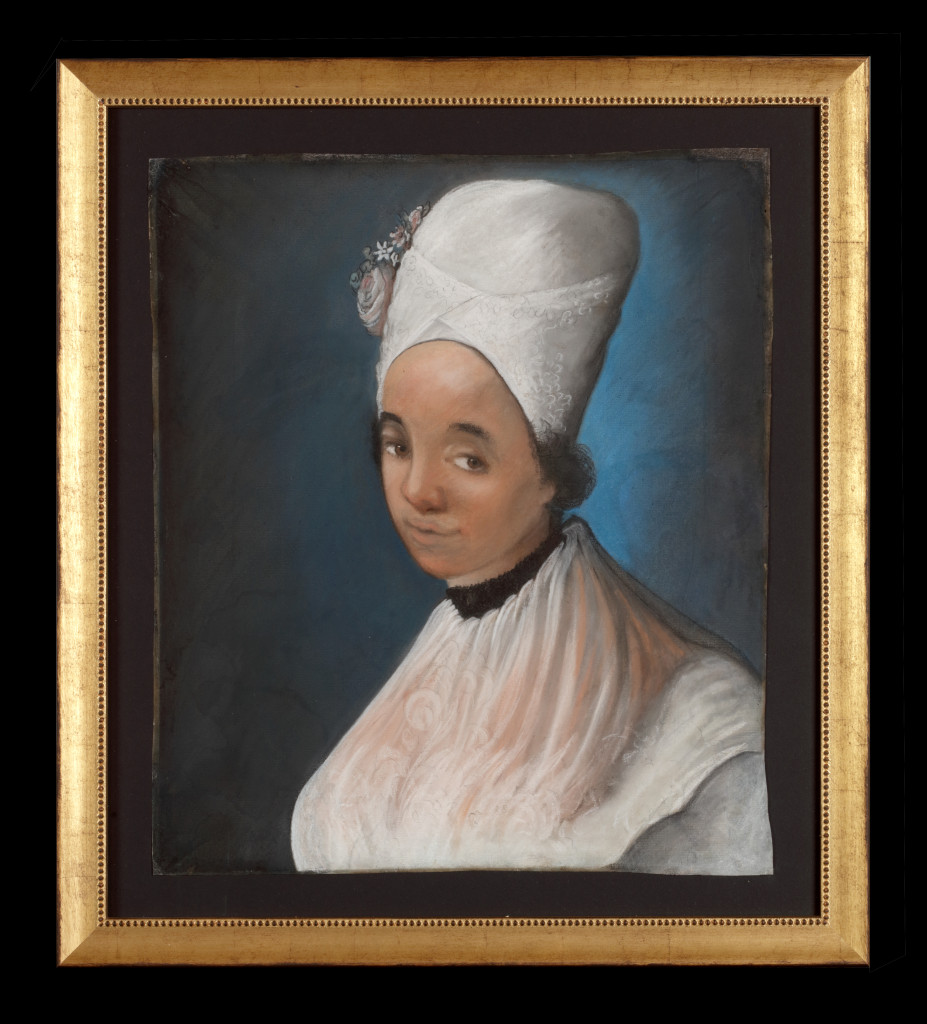
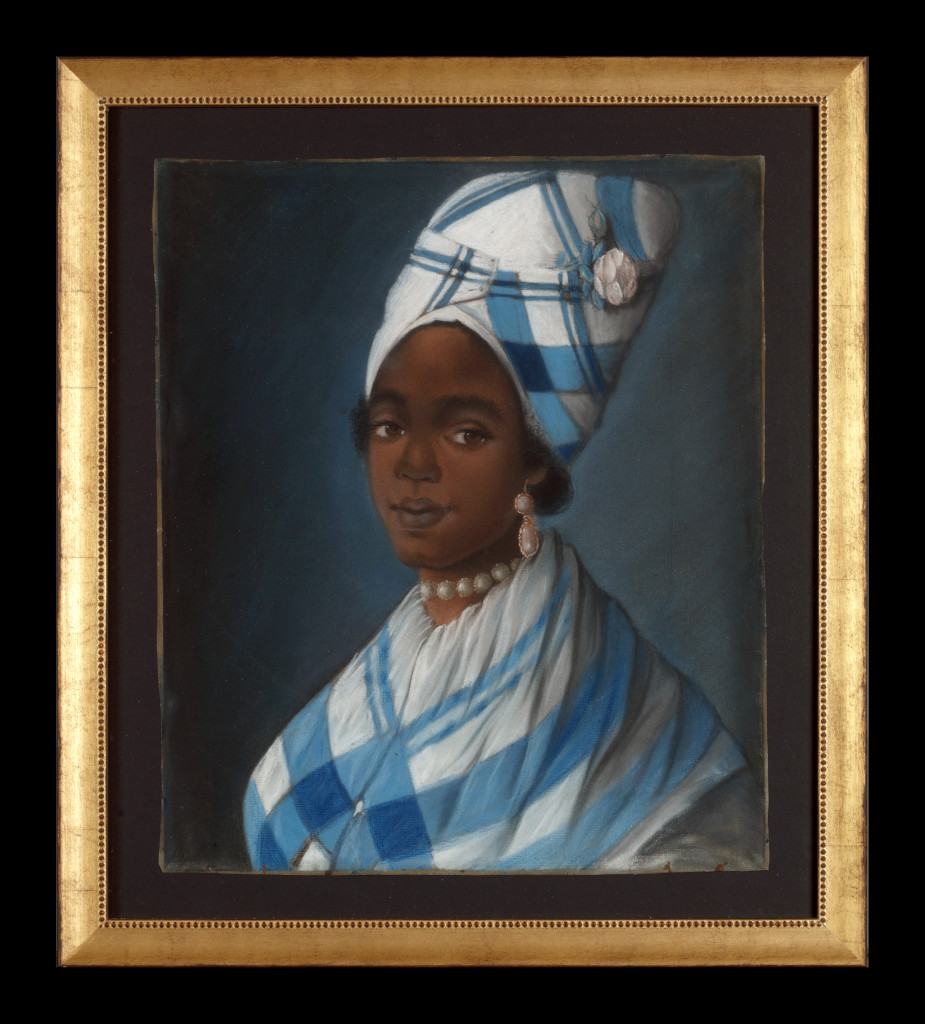
Joseph Savart (1735-1801)
Each signed, dated, and annotated À la Guadeloupe, Savart invt 3 mars 1769 and titled respectively ‘la Négresse’, ‘la Mestisse’, ‘la Cabresse’, and ‘la Mulatresse’ on the backing
One drawing has a label reading BULDET - Rue de Gesvie au grand Coeur - Vend les vraix Verres de glace blanc, Estampes, Bordures de toute facons. A PARIS on the backing
Pastels on paper, H. 40 x 34 cm (each)
Provenance:
Private collection, Belgium (at least since the mid-19th century); thence by descent
Included is a letter from the Louvre to the ancestor of the previous owner, dated August 8th 1929, in which is stated that the Louvre, nor the Cabinet d’Etampes in Brussels, are aware of an artist named Favart. The owner of the drawings, Mr. Brisque, misread the signature and made a wrong enquiry.
For the article by Séverine Laborie on these four pastels see:
[Joseph Savart: Four Creole women - Quatre femmes Creoles](https://zebregsroell.com/blog/joseph-savart-four-creole-women)
Related objects
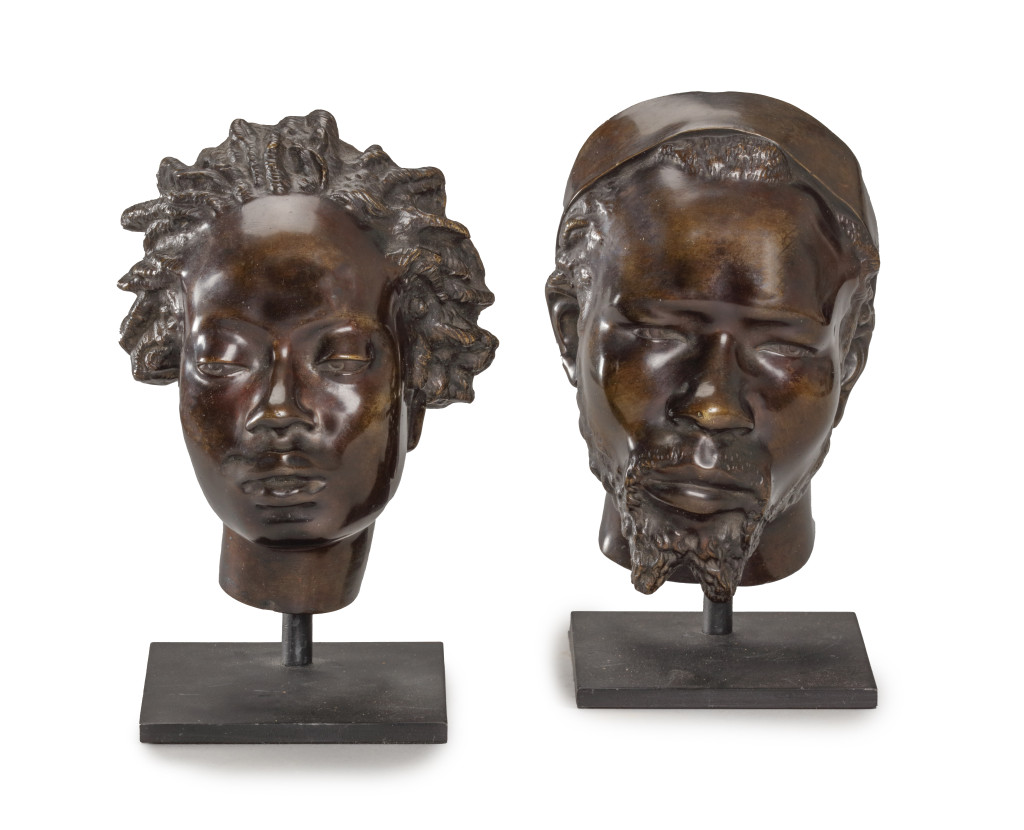
Charles Henry Joseph Cordier (1827-1905)
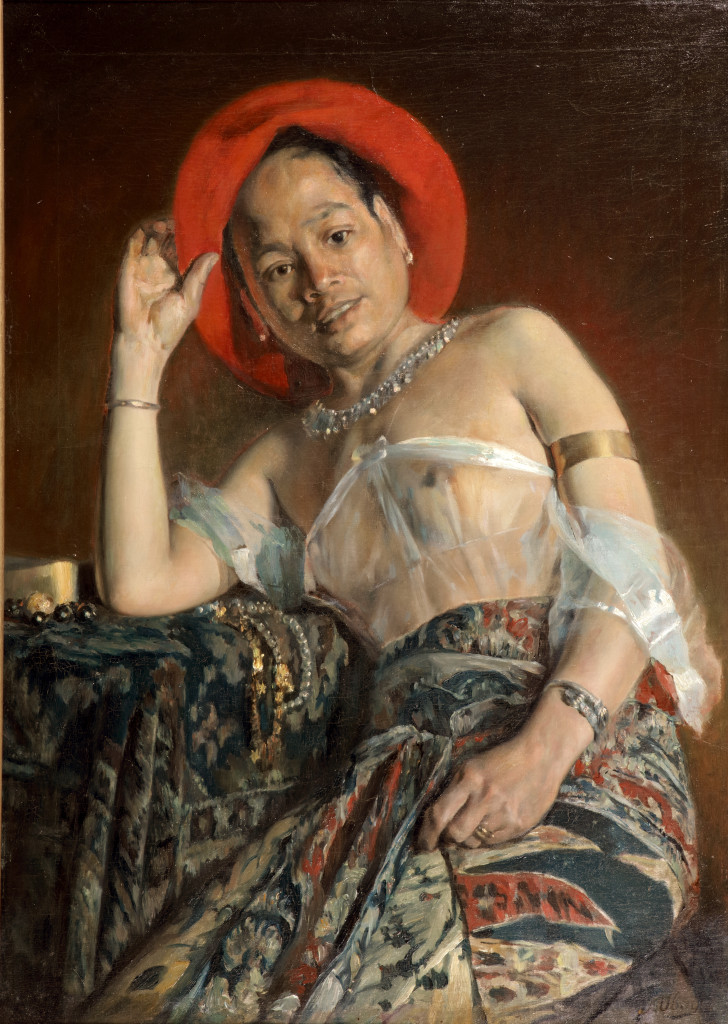
Henri Jean-Joseph Ubaghs (1852-1937)
Portrait of a Balinese model wearing batik and gold bracelets
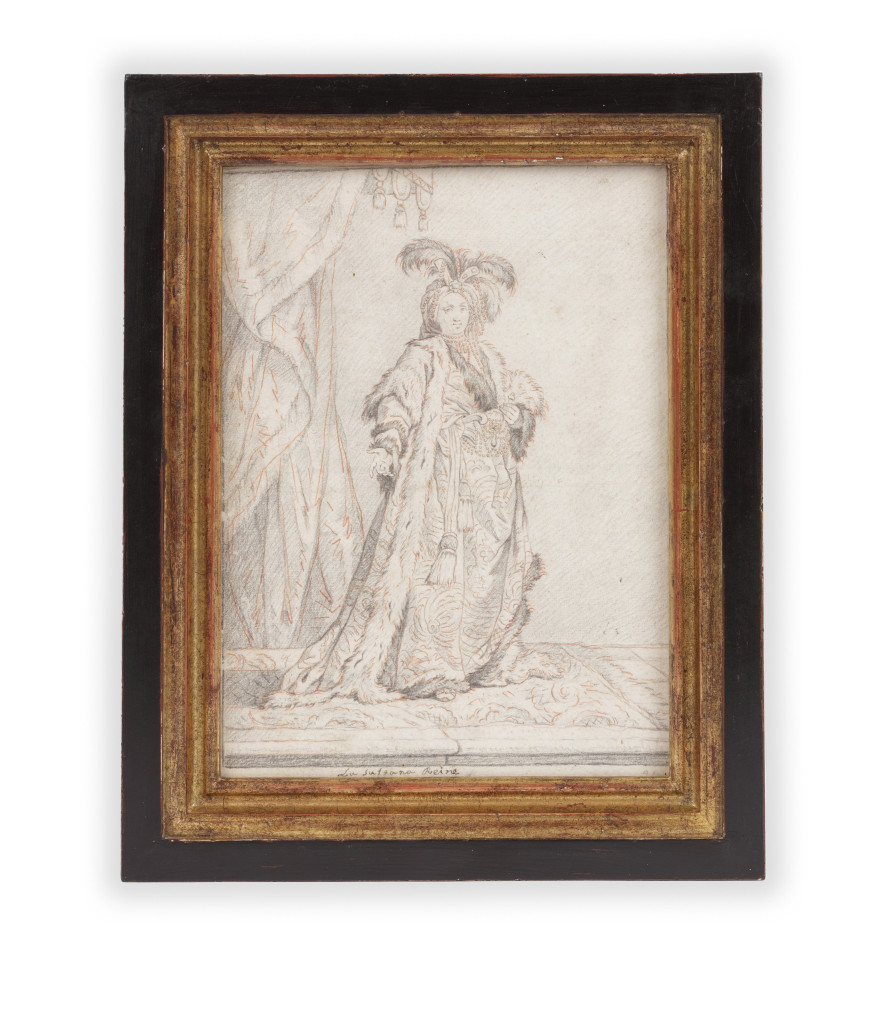
Joseph-Marie Vien (1716-1809)
The present sheets are preparatory drawings for plates 16 and 29 of the book Caravane du Sultan à la Mecque, Mascarade Turque donnée à Rome par Messieurs les Pensionnaires de l’Academie de France et leurs amis au Carnaval de l’année 1748. Vien, born in Montpellier, at an early age entered the studio of Charles Natoire and Charles Parrocel in Paris. In 1743 he won the Prix de Rome and the following year he left for Rome to become a pensionnaire at the French Academy in Rome. Vien spent most of his time in Rome designing costumes and chariots for masques, painting religious subjects for Roman churches and developing his study of nature. In 1748 Vien made many costume designs for fancy dresses as part of the French Academy’s pensionnaires carnival celebrations. This was one of the premier events in the Roman calendar, preceding the Spring season. The students of the Academy were famous for their elaborately staged and costumed pageants, which were usually based on a foreign theme. The pensionnaires’ Turkish masques of 1748 which Vien designed, was nothing short of a cultural phenomenon. Based on a Roman triumph the parade of the academicians winding through the streets of Rome was heralded by trumpeters and drummers followed by twenty horsemen and splendid horse-drawn floats carrying the students disguised to evoke stock figures of the Turkish court, sultans, sultanas, viziers, eunuchs, etc. Their sumptuous costumes were made of ordinary materials cleverly painted and all figures, even the sultanas, were played by exclusively male pensionnaires. The masque of 1748 was so celebrated that the pensionnaires were invited to be guests of Cardinal de la Rochefoucauld at a sumptuous banquet followed by a ball. Vien drew thirty-two designs for the fête, all of which are now in the Musée du Petit Palais in Paris. In 1749 Etienne Fessard published Viens’s engravings after his designs in a series entitled 'Caravane du Sultan à la Mecque’. The present two drawings are preparatory drawings for these engravings.