A Dutch colonial ebony box with silver mounts
Batavia (Jakarta), or Sri Lanka, circa 1680-1720
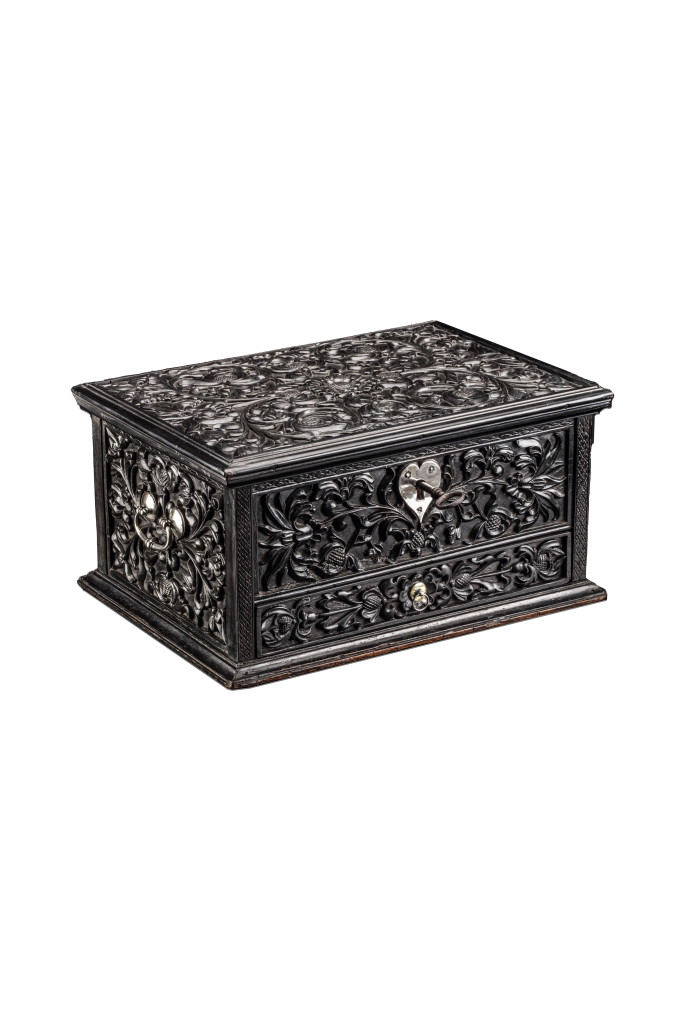
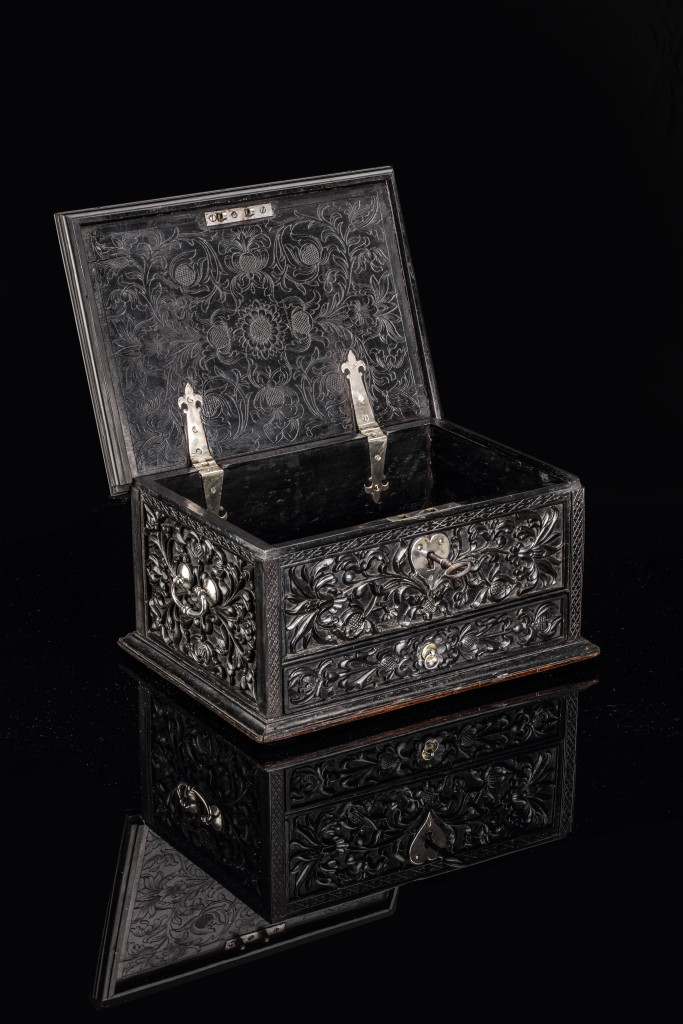
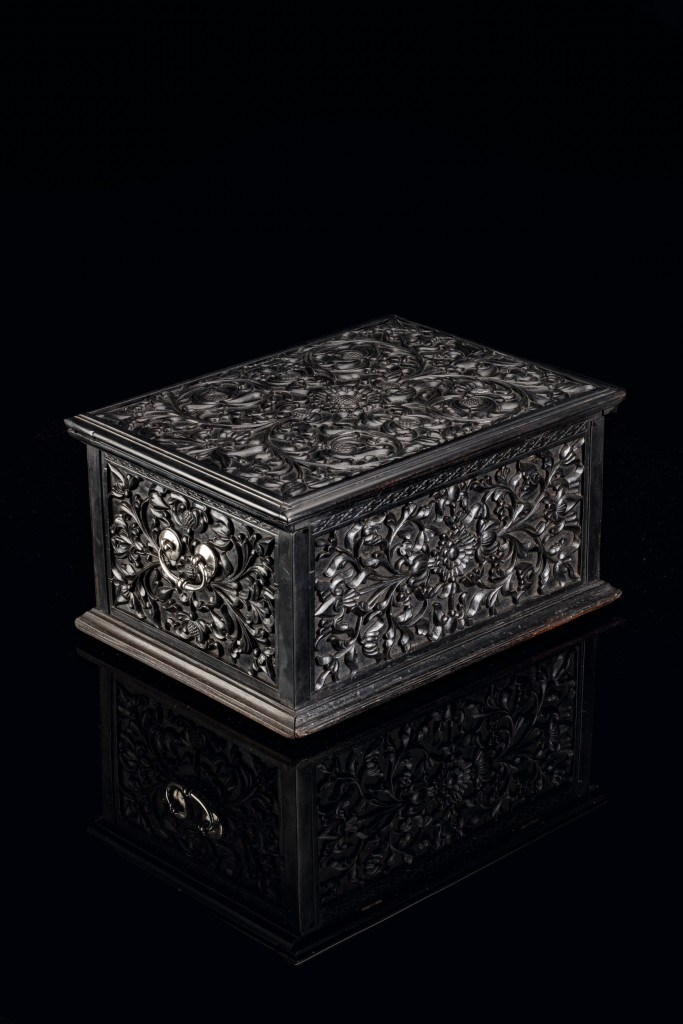
The document or money box is densely carved with fine scrolling vines and lotus flowers. It has a charming heart- shapes silver lock-plate and compartments inside.
H. 18 x W. 31.5 x D. 23 cm
Provenance:
Private collection, Portugal
Jan Veenendaal describes this type of carving as ‘Batavia II’. It can be recognised by elegantly waving calyxes that look like stylised lotus flowers. The borders of the present box and other type II furniture are almost like stylised rope. Veenendaal argues that only the most skilled Tamil and Bengali craftsmen made these finely carved pieces. Around the date this box was made, the Dutch had selected only the best craftsmen among their enslaved people. However, the people from South Asia were soon outnumbered by immigrants from the non- Muslim Indonesian islands and Madagascar. With the disappearance of the Indian and Bengali enslaved and contract woodworkers, the vogue for ebony also halted in the Dutch colonies. Another reason for the latter could be that by then, the Dutch had almost cut down every ebony tree around the Indian Ocean into extinction to cater to their craze for the black gold.
Source:
Jan Veenendaal, Aziatische kunst en de Nederlandse Smaak, Waanders, Zwolle, 2014
The document or money box is densely carved with fine scrolling vines and lotus flowers. It has a charming heart- shapes silver lock-plate and compartments inside.
H. 18 x W. 31.5 x D. 23 cm
Provenance:
Private collection, Portugal
Jan Veenendaal describes this type of carving as ‘Batavia II’. It can be recognised by elegantly waving calyxes that look like stylised lotus flowers. The borders of the present box and other type II furniture are almost like stylised rope. Veenendaal argues that only the most skilled Tamil and Bengali craftsmen made these finely carved pieces. Around the date this box was made, the Dutch had selected only the best craftsmen among their enslaved people. However, the people from South Asia were soon outnumbered by immigrants from the non- Muslim Indonesian islands and Madagascar. With the disappearance of the Indian and Bengali enslaved and contract woodworkers, the vogue for ebony also halted in the Dutch colonies. Another reason for the latter could be that by then, the Dutch had almost cut down every ebony tree around the Indian Ocean into extinction to cater to their craze for the black gold.
Source:
Jan Veenendaal, Aziatische kunst en de Nederlandse Smaak, Waanders, Zwolle, 2014
Part of the Indonesian Archipelago collection.
Related objects
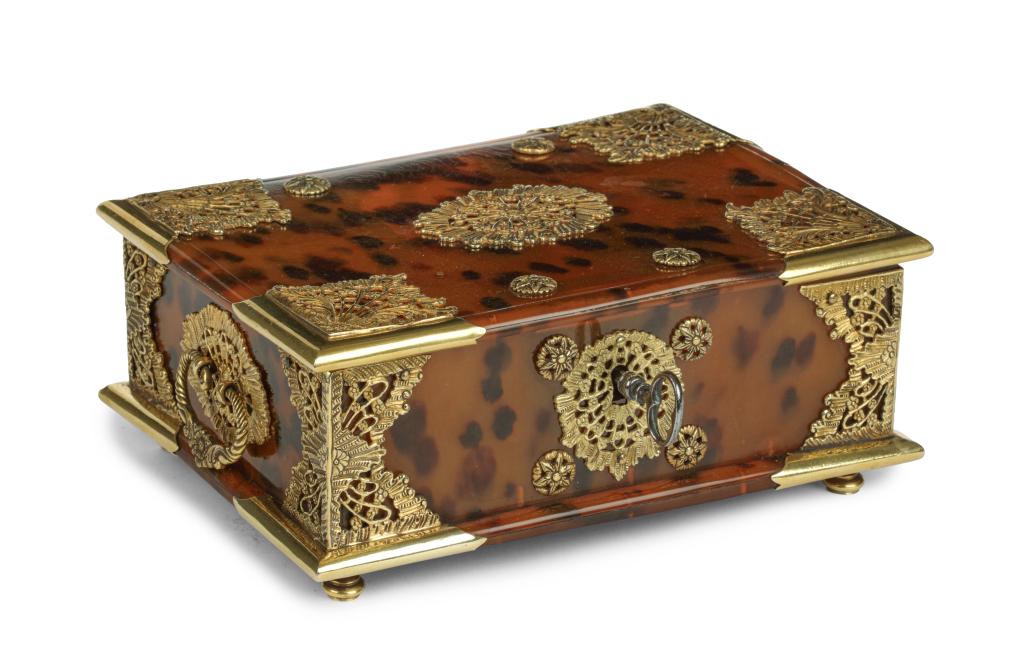
An Indonesian tortoiseshell betel or sirih box with gold mounts
_Indonesia, Jakarta (Batavia), early 19th century_ _H. 7 x W. 17 x D. 12.5 cm_ Provenance: Private Collection, United Kingdom
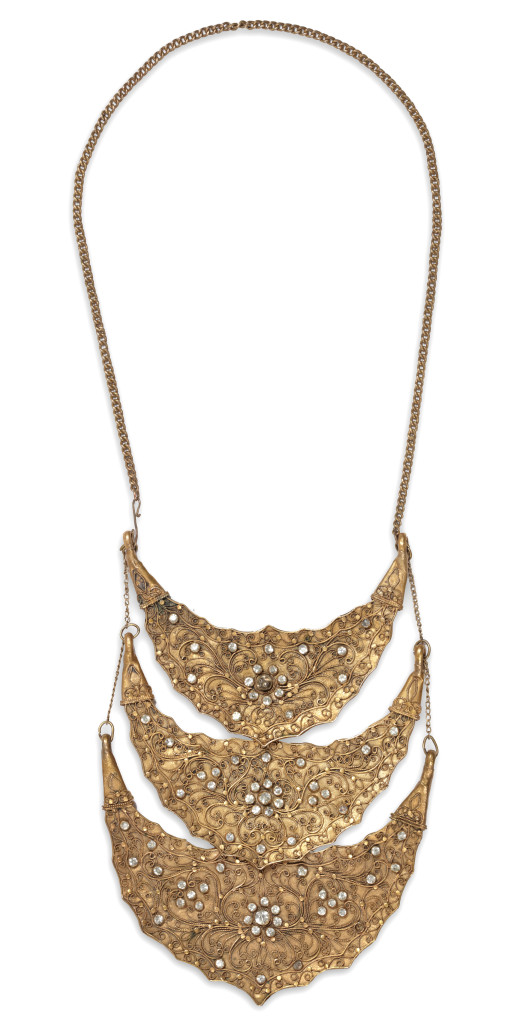
An Indonesian gilt-silver, gold filigree and diamond chest ornament, Kaloeng tangallan
(East) Java, 19th century
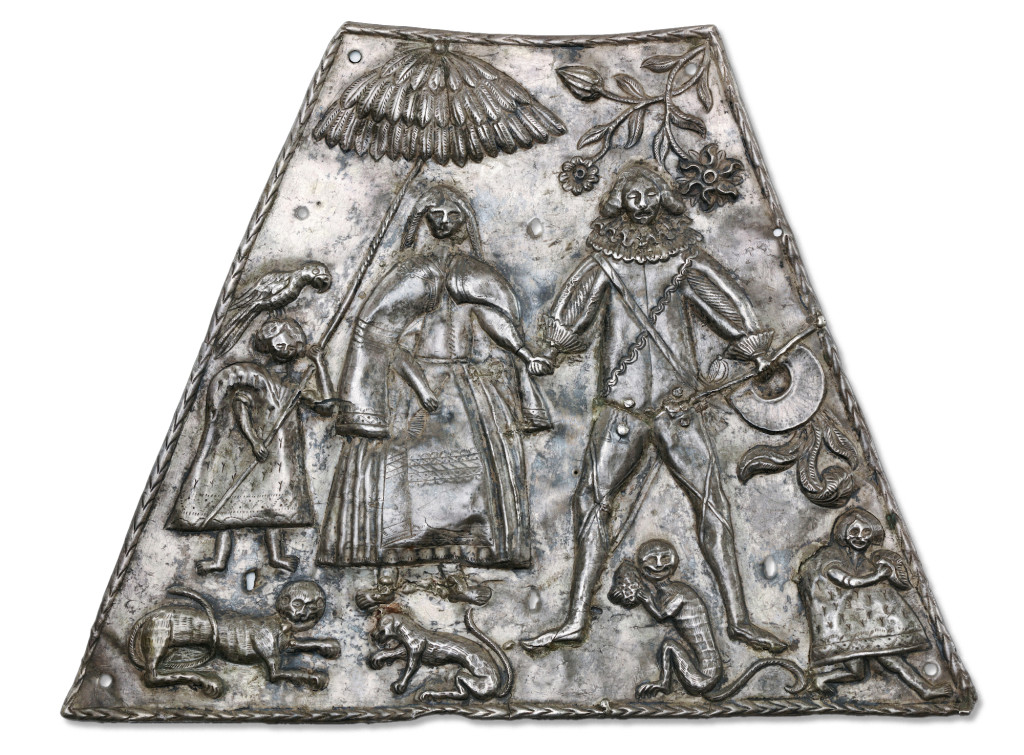
An important Peruvian silver plaque with hammered decoration of the legendary wedding of Martin de Loyola and Beatriz Clara Coya, ‘the Spanish Prince and the Inca Princess’
Silver plaque Martin de Lollora & Beatris Koya