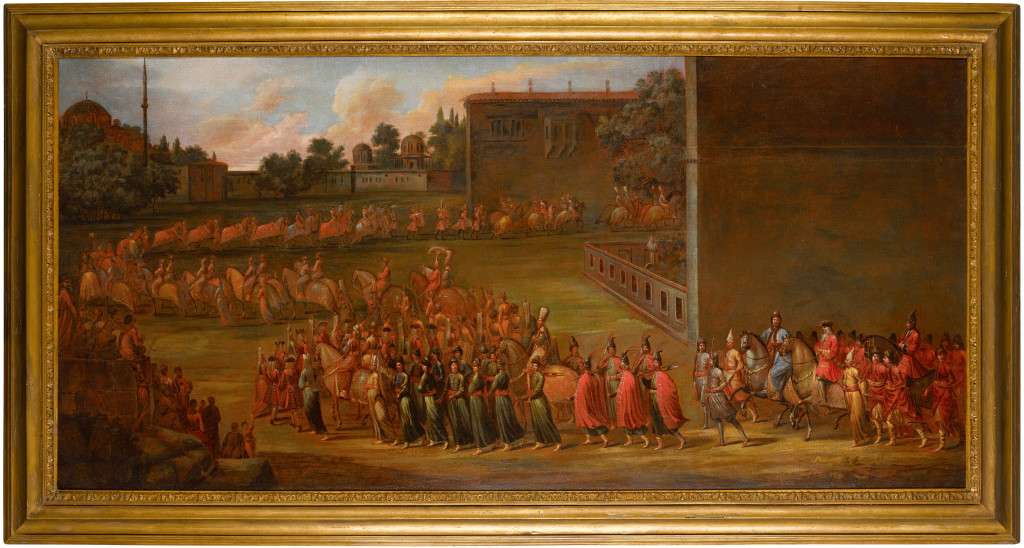
Jean Baptiste Vanmour (1671-1737)
'Arrival of Ambassador Calkoen in the Topkapi Palace in Constantinople'
Oil on canvas, H. 80 x W. 168 cm
Provenance:
- Collection Kenneth Davis Jr. (1925-2017), Forth Worth (until circa 1985)
- Dow Art Galleries, Fort Worth
- Collection H.L. Young Crowder (1928-2020), Fort Worth
- Private collection, France
The Ambassadorial Processions
Ottoman court protocol for receiving foreign ambassadors was highly formalised and steeped in symbolic ritual. Ambassadors in Constantinople sometimes had to wait for months for an official audience since the Sultan only received envoys on specific days – notably those coinciding with the Janissaries’ payday. This timing was intentional: on the chosen day, the elite Janissary corps would gather to receive wages and a celebratory meal, a display engineered to impress foreign visitors with Ottoman military might and generosity. According to contemporary accounts, the ambassador’s retinue set out at dawn under the escort of Janissary guards, proceeding through the city to the imperial palace at Topkapı. All weapons had to be handed in before entering, underscoring that the envoys entered as ‘helpless’ guests under the Sultan’s power. (1)
Upon arriving at Topkapı Palace, the delegation would pass through the massive Imperial Gate into the first courtyard, then await the Grand Vizier, who would lead them through the Middle Gate (Orta Kapı) into the second courtyard. The tightly choreographed procession unfolded before hundreds of Ottoman officials and soldiers. One of Jean Baptiste Vanmour’s (1671–1737) paintings depicting the visit of the Dutch ambassador Calkoen captures the moment the ambassador enters the palace’s Second Courtyard. As customary, the Janissaries are shown seated in rows, feasting from great platters of pilaf at the moment of the envoys’ arrival. (2) This was no coincidence: “Audiences were always held on the day that the Janissaries received their pay. Just as Calkoen enters, the soldiers lunge noisily at the rice dishes.” (3) The frantic scramble of the Sultan’s household troops for their food – a scene of controlled chaos – was a deliberate part of the spectacle. Accepting the Sultan’s food symbolised the Janissaries’ loyalty; conversely, their historic signal of mutiny was to overturn their cauldrons. (4) In the painting, their vigorous meal indicates contentment and discipline, reassuring the viewer (and the ambassador) of the empire’s stability.
Everything about the ceremony communicated hierarchy and power. Wearing their finest court attire, the ambassador and his entourage were dwarfed by the vast palace grounds and outnumbered by Ottoman officials. They were flanked by imperial mace-bearers and ceremony masters, who directed every movement. The procession halted at prescribed points for bows or announcements. Even the gifts and official letters were handled with elaborate formality – for example, an Ottoman official would carry the ambassador’s letter of credence high above his head, to be received by the Grand Vizier with a ritual kiss before it reached the Sultan’s hands. (5) All of these stages reinforced the notion that the Sultan’s court was supremely ordered and the foreign envoys were entering into a magnificent, if intimidating, political theater. Such was the environment that Jean-Baptiste Vanmour documented, encoding in paint the nuances of Ottoman diplomatic ritual for European audiences. (6)
Jean Baptiste Vanmour: Visual Chronicler of the Ottoman Empire
Vanmour served as a crucial artistic witness to early 18th-century Ottoman court life. A Flemish-French painter from Valenciennes, Vanmour traveled to Constantinople in 1699 in the retinue of the French ambassador Marquis Charles de Ferriol. (7) Stationed in the Ottoman capital for the rest of his career, Vanmour became essentially an official diplomatic artist-in-residence. His brush captured everything from grand state ceremonies to street scenes, earning him a reputation as a tireless documentarian of the “Sublime Porte” (Ottoman court). (8) One contemporary noted that Vanmour “cataloged every aspect of Ottoman society” for European eyes. (9) Indeed, ambassadors and other dignitaries eagerly commissioned paintings from him as visual records of their encounters with the East.
Vanmour’s international significance was cemented with the publication of the Recueil de cent estampes représentant différentes nations du Levant (Collection of one hundred engravings representing the different nations of the Levant) in 1714. This album, based on about one hundred of his paintings commissioned by Ferriol, depicted the costumes and types of the Levantine world in meticulous detail. (10) The Recueil was issued in at least five languages and circulated widely, “shaping the western perception of the [Ottoman] empire through the modern era.” (11) As a result, Vanmour’s images became the lens through which many Europeans ‘saw’ the Ottoman Empire, even if they never traveled there. In recognition of his contributions, in 1725, the artist was granted the title of ‘Peintre ordinaire du Roi en Levant’ by the King of France – a rare honor highlighting how Vanmour’s art had become strategically important in cross-cultural exchange. (12)
References
1. Rijksmuseum Amsterdam, “Cornelis Calkoen on his Way to his Audience with Sultan Ahmed III", c.1727–30, object no. SK-A-4076
2. Giles Milton, Paradise Lost: Smyrna 1922, London, Sceptre, 2008, p. 45
3. A. de Ferriol, Recueil de cent estampes représentant différentes nations du Levant, Paris, Le Hay, 1714, pp. 1-100
4. J.M. Rogers, Empire of the Sultans: Ottoman Art from the Khalili Collection, London, Thames & Hudson, 1995, pp. 112–118
5. Topkapı Palace Museum Archives, Istanbul
6. C. Kafadar, Between Two Worlds: The Construction of the Ottoman State, Berkeley, University of California Press, 1995, pp. 87–102
7. A. Jackson & A. Jaffer, Encounters: The Meeting of Asia and Europe 1500–1800, London, V&A Publications, 2004, p. 256
8. J.M. Rogers, Empire of the Sultans: Ottoman Art from the Khalili Collection, London, Thames & Hudson, 1995, pp. 112–118
9. Private correspondence on Vanmour’s Audience Paintings between Zebregs&Röell and E. Sint Nicolaas, Rijksmuseum, 2025
10. O. Nefedova, A Journey into the World of the Ottomans, 2009, pp. 48–55
11. C. Necipoglu, Architecture, Ceremonial, and Power: The Topkapi Palace in the 15th and 16th Centuries, Cambridge, MIT Press, 1991, pp. 67–79
12. A. de Ferriol, Recueil de cent estampes représentant différentes nations du Levant, Paris, Le Hay, 1714, pp. 1–50
Oil on canvas, H. 80 x W. 168 cm
Provenance:
- Collection Kenneth Davis Jr. (1925-2017), Forth Worth (until circa 1985)
- Dow Art Galleries, Fort Worth
- Collection H.L. Young Crowder (1928-2020), Fort Worth
- Private collection, France
The Ambassadorial Processions
Ottoman court protocol for receiving foreign ambassadors was highly formalised and steeped in symbolic ritual. Ambassadors in Constantinople sometimes had to wait for months for an official audience since the Sultan only received envoys on specific days – notably those coinciding with the Janissaries’ payday. This timing was intentional: on the chosen day, the elite Janissary corps would gather to receive wages and a celebratory meal, a display engineered to impress foreign visitors with Ottoman military might and generosity. According to contemporary accounts, the ambassador’s retinue set out at dawn under the escort of Janissary guards, proceeding through the city to the imperial palace at Topkapı. All weapons had to be handed in before entering, underscoring that the envoys entered as ‘helpless’ guests under the Sultan’s power. (1)
Upon arriving at Topkapı Palace, the delegation would pass through the massive Imperial Gate into the first courtyard, then await the Grand Vizier, who would lead them through the Middle Gate (Orta Kapı) into the second courtyard. The tightly choreographed procession unfolded before hundreds of Ottoman officials and soldiers. One of Jean Baptiste Vanmour’s (1671–1737) paintings depicting the visit of the Dutch ambassador Calkoen captures the moment the ambassador enters the palace’s Second Courtyard. As customary, the Janissaries are shown seated in rows, feasting from great platters of pilaf at the moment of the envoys’ arrival. (2) This was no coincidence: “Audiences were always held on the day that the Janissaries received their pay. Just as Calkoen enters, the soldiers lunge noisily at the rice dishes.” (3) The frantic scramble of the Sultan’s household troops for their food – a scene of controlled chaos – was a deliberate part of the spectacle. Accepting the Sultan’s food symbolised the Janissaries’ loyalty; conversely, their historic signal of mutiny was to overturn their cauldrons. (4) In the painting, their vigorous meal indicates contentment and discipline, reassuring the viewer (and the ambassador) of the empire’s stability.
Everything about the ceremony communicated hierarchy and power. Wearing their finest court attire, the ambassador and his entourage were dwarfed by the vast palace grounds and outnumbered by Ottoman officials. They were flanked by imperial mace-bearers and ceremony masters, who directed every movement. The procession halted at prescribed points for bows or announcements. Even the gifts and official letters were handled with elaborate formality – for example, an Ottoman official would carry the ambassador’s letter of credence high above his head, to be received by the Grand Vizier with a ritual kiss before it reached the Sultan’s hands. (5) All of these stages reinforced the notion that the Sultan’s court was supremely ordered and the foreign envoys were entering into a magnificent, if intimidating, political theater. Such was the environment that Jean-Baptiste Vanmour documented, encoding in paint the nuances of Ottoman diplomatic ritual for European audiences. (6)
Jean Baptiste Vanmour: Visual Chronicler of the Ottoman Empire
Vanmour served as a crucial artistic witness to early 18th-century Ottoman court life. A Flemish-French painter from Valenciennes, Vanmour traveled to Constantinople in 1699 in the retinue of the French ambassador Marquis Charles de Ferriol. (7) Stationed in the Ottoman capital for the rest of his career, Vanmour became essentially an official diplomatic artist-in-residence. His brush captured everything from grand state ceremonies to street scenes, earning him a reputation as a tireless documentarian of the “Sublime Porte” (Ottoman court). (8) One contemporary noted that Vanmour “cataloged every aspect of Ottoman society” for European eyes. (9) Indeed, ambassadors and other dignitaries eagerly commissioned paintings from him as visual records of their encounters with the East.
Vanmour’s international significance was cemented with the publication of the Recueil de cent estampes représentant différentes nations du Levant (Collection of one hundred engravings representing the different nations of the Levant) in 1714. This album, based on about one hundred of his paintings commissioned by Ferriol, depicted the costumes and types of the Levantine world in meticulous detail. (10) The Recueil was issued in at least five languages and circulated widely, “shaping the western perception of the [Ottoman] empire through the modern era.” (11) As a result, Vanmour’s images became the lens through which many Europeans ‘saw’ the Ottoman Empire, even if they never traveled there. In recognition of his contributions, in 1725, the artist was granted the title of ‘Peintre ordinaire du Roi en Levant’ by the King of France – a rare honor highlighting how Vanmour’s art had become strategically important in cross-cultural exchange. (12)
References
1. Rijksmuseum Amsterdam, “Cornelis Calkoen on his Way to his Audience with Sultan Ahmed III", c.1727–30, object no. SK-A-4076
2. Giles Milton, Paradise Lost: Smyrna 1922, London, Sceptre, 2008, p. 45
3. A. de Ferriol, Recueil de cent estampes représentant différentes nations du Levant, Paris, Le Hay, 1714, pp. 1-100
4. J.M. Rogers, Empire of the Sultans: Ottoman Art from the Khalili Collection, London, Thames & Hudson, 1995, pp. 112–118
5. Topkapı Palace Museum Archives, Istanbul
6. C. Kafadar, Between Two Worlds: The Construction of the Ottoman State, Berkeley, University of California Press, 1995, pp. 87–102
7. A. Jackson & A. Jaffer, Encounters: The Meeting of Asia and Europe 1500–1800, London, V&A Publications, 2004, p. 256
8. J.M. Rogers, Empire of the Sultans: Ottoman Art from the Khalili Collection, London, Thames & Hudson, 1995, pp. 112–118
9. Private correspondence on Vanmour’s Audience Paintings between Zebregs&Röell and E. Sint Nicolaas, Rijksmuseum, 2025
10. O. Nefedova, A Journey into the World of the Ottomans, 2009, pp. 48–55
11. C. Necipoglu, Architecture, Ceremonial, and Power: The Topkapi Palace in the 15th and 16th Centuries, Cambridge, MIT Press, 1991, pp. 67–79
12. A. de Ferriol, Recueil de cent estampes représentant différentes nations du Levant, Paris, Le Hay, 1714, pp. 1–50
Part of the Europe and Islamic world collections.
Related objects
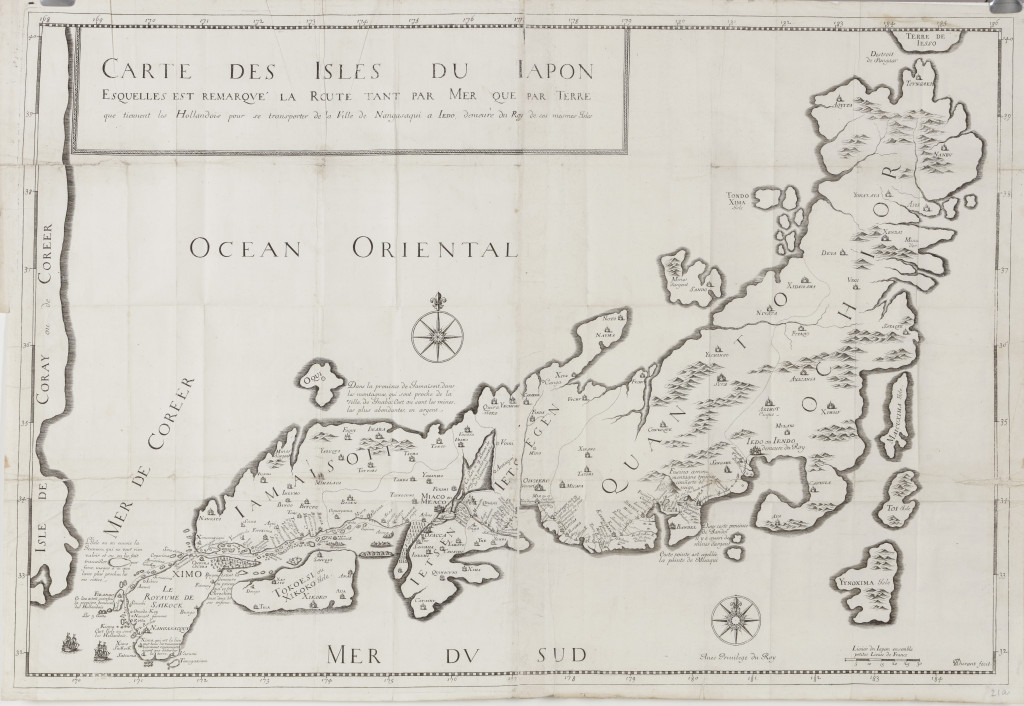
Carte des Isles du Japon, esquelles est remarqué, la Route tant par Mer que par Terre que tiennient les Hollandios pour se transporter de la Ville de Nangasaqui a I'edo demeure du Roy de ses marmes isles Paris 1679, by Jean-Baptiste Tavernier (1605-1689)
From “Recüeil des plusieurs. Relations et Traitez singuliers et curieux de J.B.Tavernier”
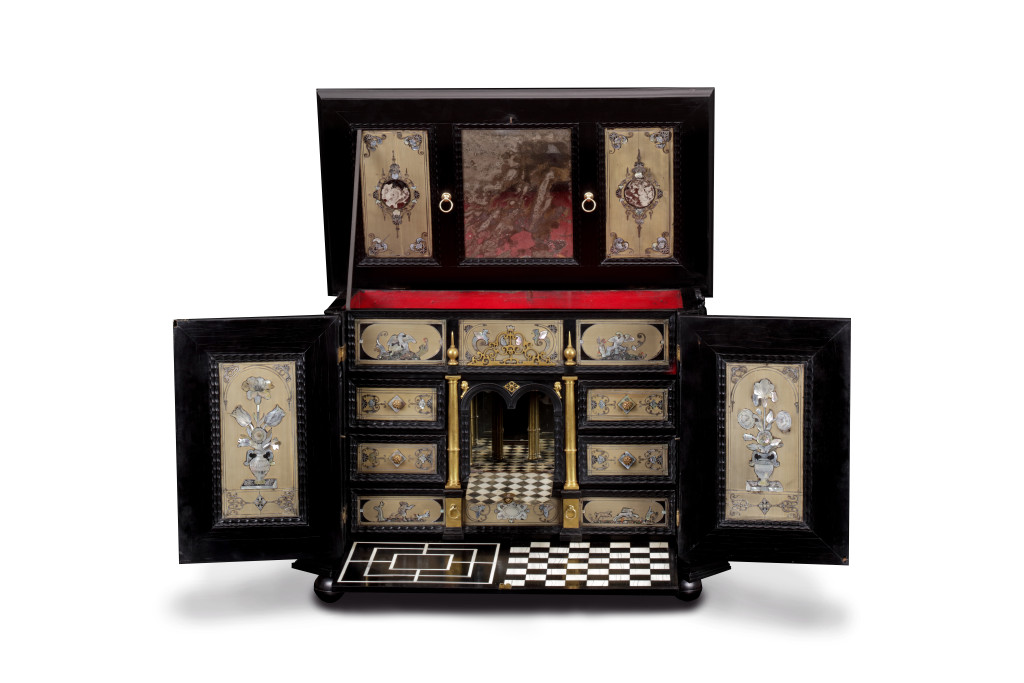
A fine ebony and pen-engraved mother-of-pearl and lacquer inlaid baleen collector's cabinet by or attributed to Herman Doomer (1595-1650) and Jean Bellekin (c. 1597-1635)
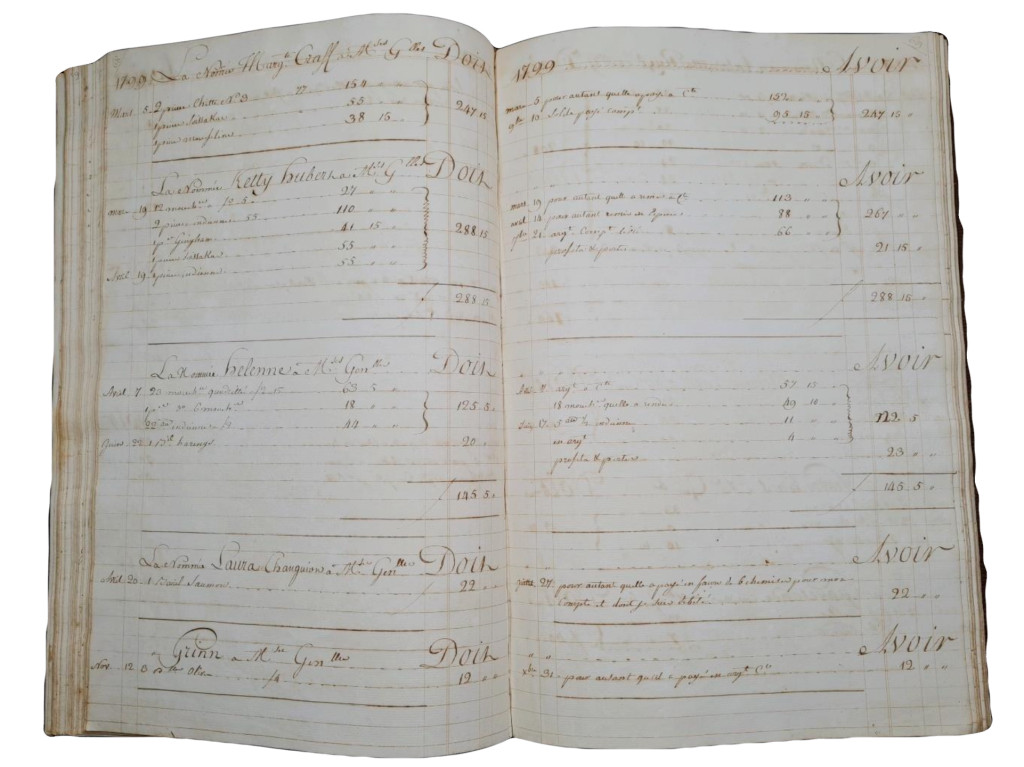
‘Jean Philippe Dardier’s Accounting’
An extremely rare Slave Trader’s and Plantation Director’s Handwritten Account Book