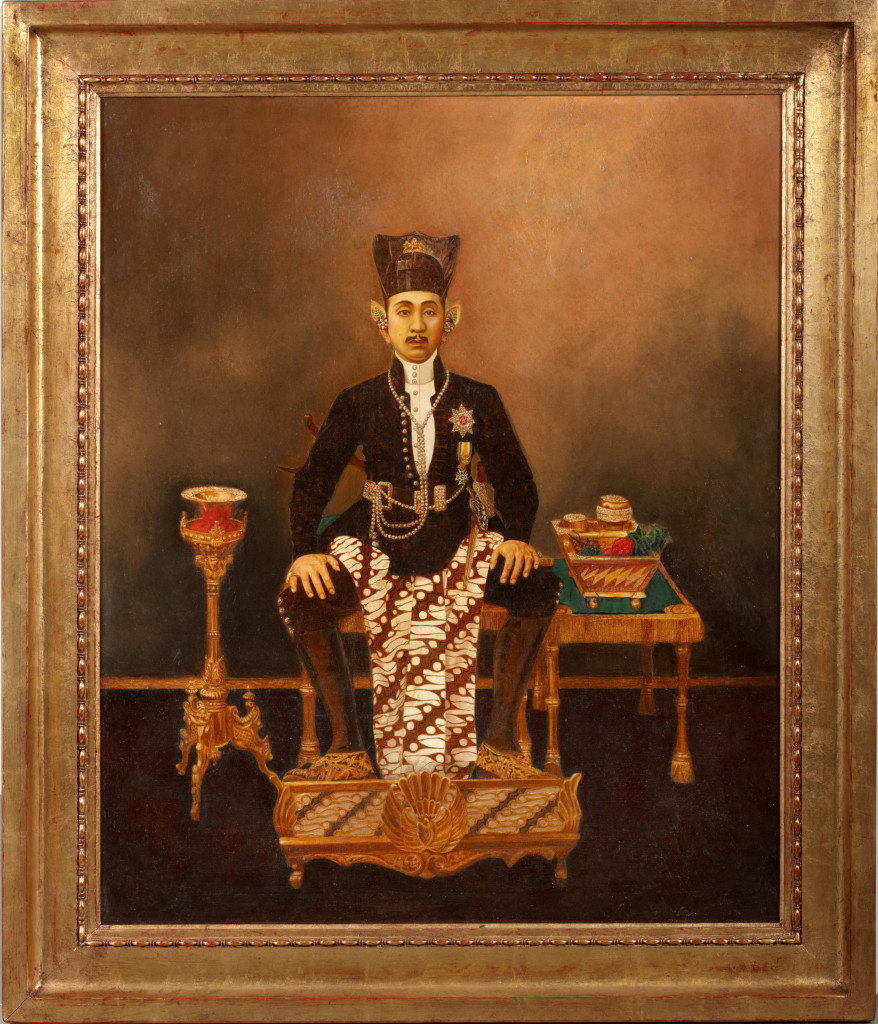
A portrait of Sultan Hamengkubuwana VIII of Yogyakarta (1880-1939)
Oil on canvas, H. 103.5 x W. 86 cm
Provenance:
Private collection, Indonesia
Sultan Hamengkubuwana VIII (March 3, 1880 – October 22, 1939), born as Gusti Raden Mas Sujadi) was a ruler of the Yogyakarta Sultanate. He was inaugurated as the Sultanon February 8, 1921 and ruled until his death in 1939. During Hamengkubuwana VIII's reign, the Yogyakarta Sultanate used substantial funds for various activities, including financing the sultanate's schools. Many of Hamengkubuwana VIII's sons were well-educated, with many studying in the Netherlands. Among them was Gusti Raden Mas Dorojatun, who would later ascend the throne as Hamengkubuwana IX, who attended Leiden University.
During his reign, he oversaw the extensive renovation of the Yogyakarta Palace complex buildings before in bad shape. Notable among these is the Bangsal Pagelaran located at the very front (directly south of the northern Alun-alun of Yogyakarta). Other renovated buildings include the tratag Siti Hinggil, the Donopratopo Gate, and the Great Mosque.
The sultan died on October 22, 1939, presumably on a train in the Wates area, Kulon Progo, while returning from Batavia (Jakarta) to pick up Gusti Raden Mas Dorojatun who just returned from the Netherlands. Other sources state that he passed away at the Onder de Bogen hospital (now Panti Rapih Hospital) after falling ill on the train in the Kroya area. Gusti Raden Mas Dorojatun, who had not yet finished his studies, was suddenly called home. In Batavia, the Sultan handed over the Kyai Ageng Joko Piturun keris to Gusti Raden Mas Dorojatun as a symbol of royal succession, indicating that Gusti Raden Mas Dorojatun would be the next Sultan.
Part of the Indonesian Archipelago collection.
Related objects
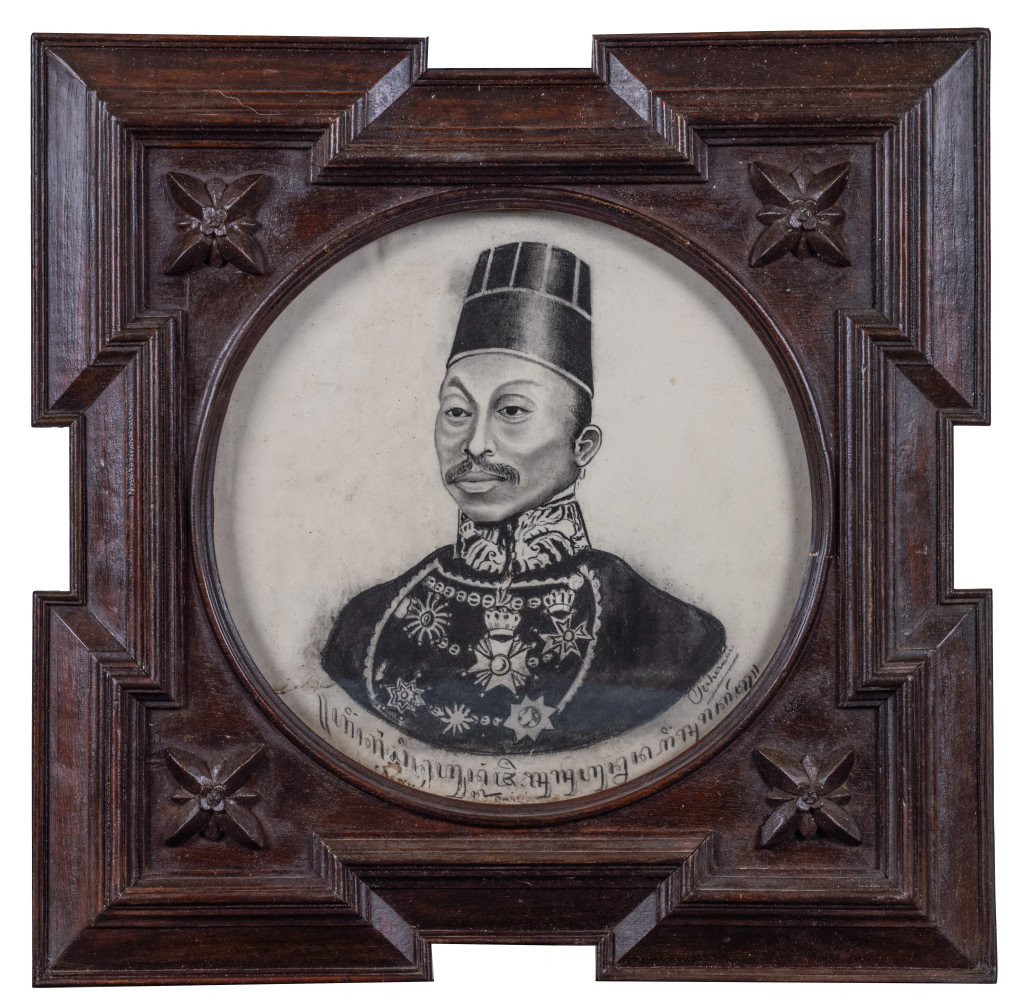
A portrait of Susuhunan Pakubuwono IX of Surakarta (1830-1893)
Pakubuwono IX, ruler of Surakarta then known as Solo, was the second son of Pakubuwono VI and reigned from 1861 till his death in 1893. He was born as Gusti Raden Mas Duksina and was still in the womb when his father was exiled to Ambon by the Dutch for supporting Prince Diponegoro's rebellion. After reaching adulthood, Raden Mas Duksina got the title Kangjeng Gusti Pangeran Haryo Prabuwijaya. As Pakubuwono IX, he ascended the throne to replace Pakubuwono VIII (his father's uncle) on December 30, 1861. The great Javanese poet Ranggawarsita (1802- 1873) described his reign in many of his literary works, for example, in Serat Kalatida.
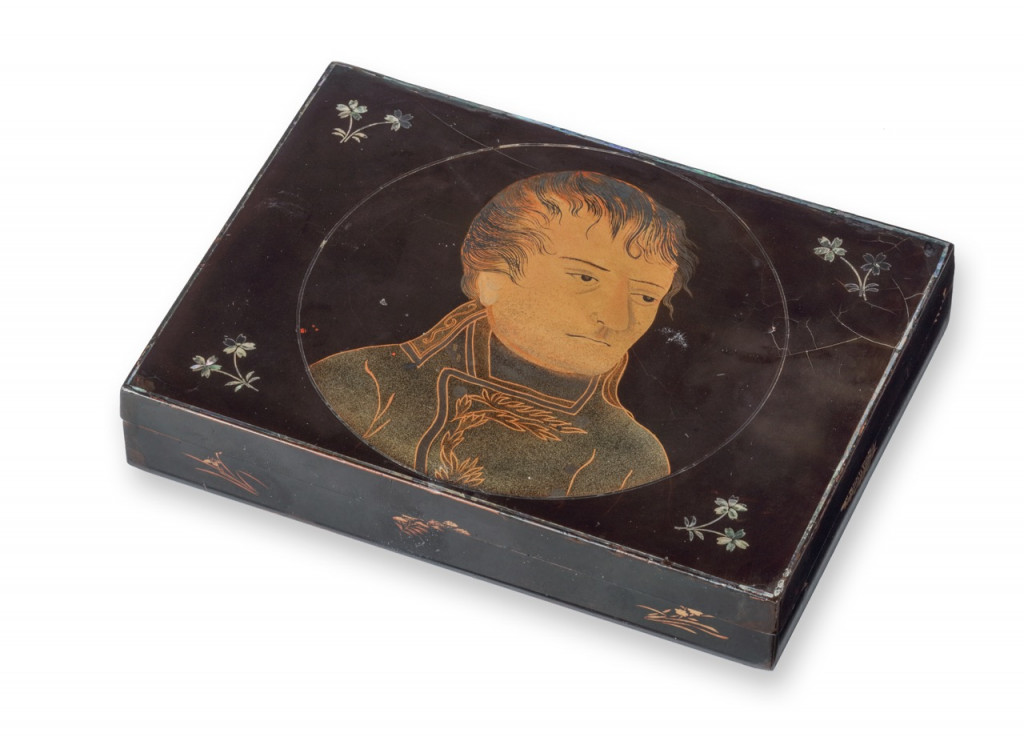
A Japanese export Nagasaki lacquer tobacco box with the portrait of Napoleon Bonaparte
The box in black lacquer on copper, the lid decorated with a portrait of Napoleon Bonaparte in gold hiramaki-e and nashiji. It has mother-of-pearl inlaid flowers in the four corners inside a similar inlaid border. The sides of the box are likewise decorated with gold lacquer flowers.
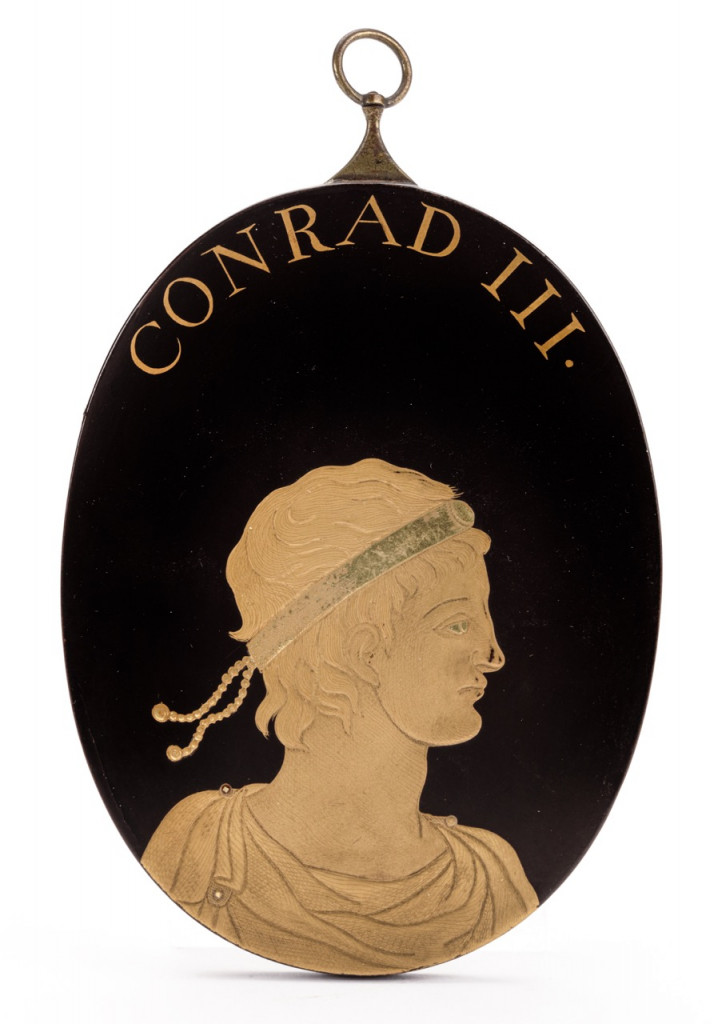
A collection of nine Japanese export lacquer portrait medaillons
A vogue for collecting portrait medallions of famous historical figures developed in the late eighteenth century. In England, in the 1770s Josiah Wedgwood exploited this with the production of ceramic medallions in both blue jasper and black basalt. Possibly in response to this fashion portrait medallions in black and gold lacquer on copper were produced in Japan from around 1780