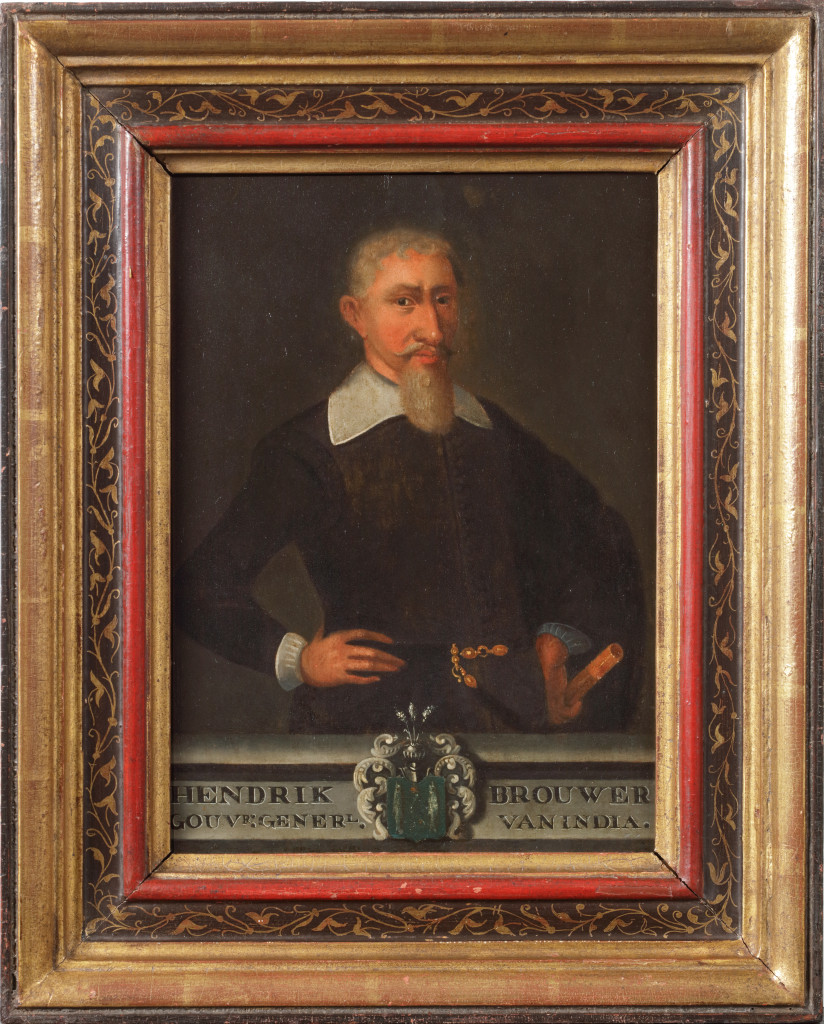
Portrait of Hendrik Brouwer (c. 1581-1642), Governor-General of the former Dutch East-Indies
H. 33 x W. 24.6 cm
Titled 'Hendrik Brouwer Gouvr. Generl. van India’ and annotated at the reverse 1640 Holl. Ausstellung Lenzburg 1934, Katalog Oil on panel.
Hendrik Brouwer was born in circa 1581, somewhere in the Spanish Netherlands. He moved to Amsterdam at a young age, where he served six years as an apprentice to Leonard van Raey, an Amsterdam merchant, for whom he made journeys to Spain, Portugal and possibly the Dutch East Indies. In 1610 Brouwer sailed to the East Indies as commander of a fleet of three ships. On his initiative, he explored the Southern route, from Cape of Good Hope to the East, turning North to Java almost as far as the west coast of Australia. This route was so much quicker that the Heeren XVII, the VOC directors in the Netherlands, decided that this would be the route to Batavia (Jakarta) from then on. In Batavia, he didn’t get on very well with Governor-General Pieter Both, who sent him as Opperhoofd or Chief-Merchant to the VOC trade post in Japan, Hirado, in 1613. Brouwer made a court journey to Edo to pay respect to the Shogun and bring him the customary gifts such as telescopes, guns, globes and books on European science and shipbuilding. In 1613 Brouwer established the first Dutch trade post in Siam. He returned to Amsterdam in 1617, where he became one of the directors of the VOC. In 1632 he accepted, for three years, the post of Governor-General in Batavia. In 1641 Brouwer was back in Amsterdam but apparently out of favour with the Directors of the VOC, as he was now appointed Governor-General of the WIC, the Dutch West India Company. The position was not bad, if he had not been commanded to sail out to conquer the Spanish silver mines in Peru. During the magnanimous but unsuccessful attempt, Brouwer died in 1642 in front of the coast of Chili at Puerto Inglés.
Related objects
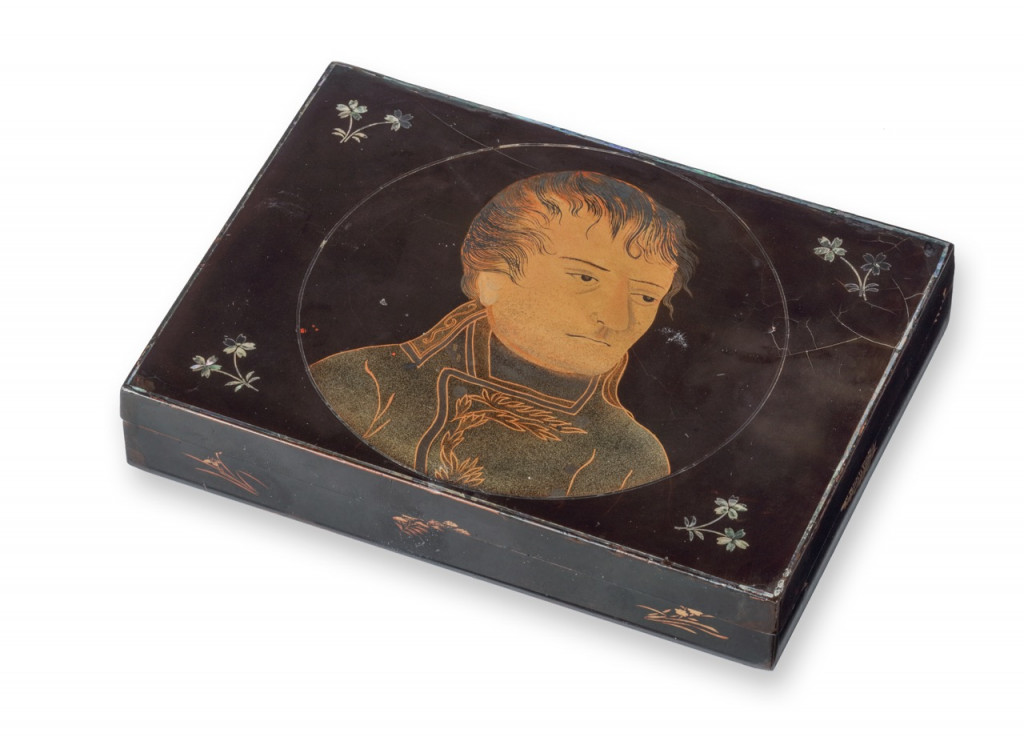
A Japanese export Nagasaki lacquer tobacco box with the portrait of Napoleon Bonaparte
The box in black lacquer on copper, the lid decorated with a portrait of Napoleon Bonaparte in gold hiramaki-e and nashiji. It has mother-of-pearl inlaid flowers in the four corners inside a similar inlaid border. The sides of the box are likewise decorated with gold lacquer flowers.
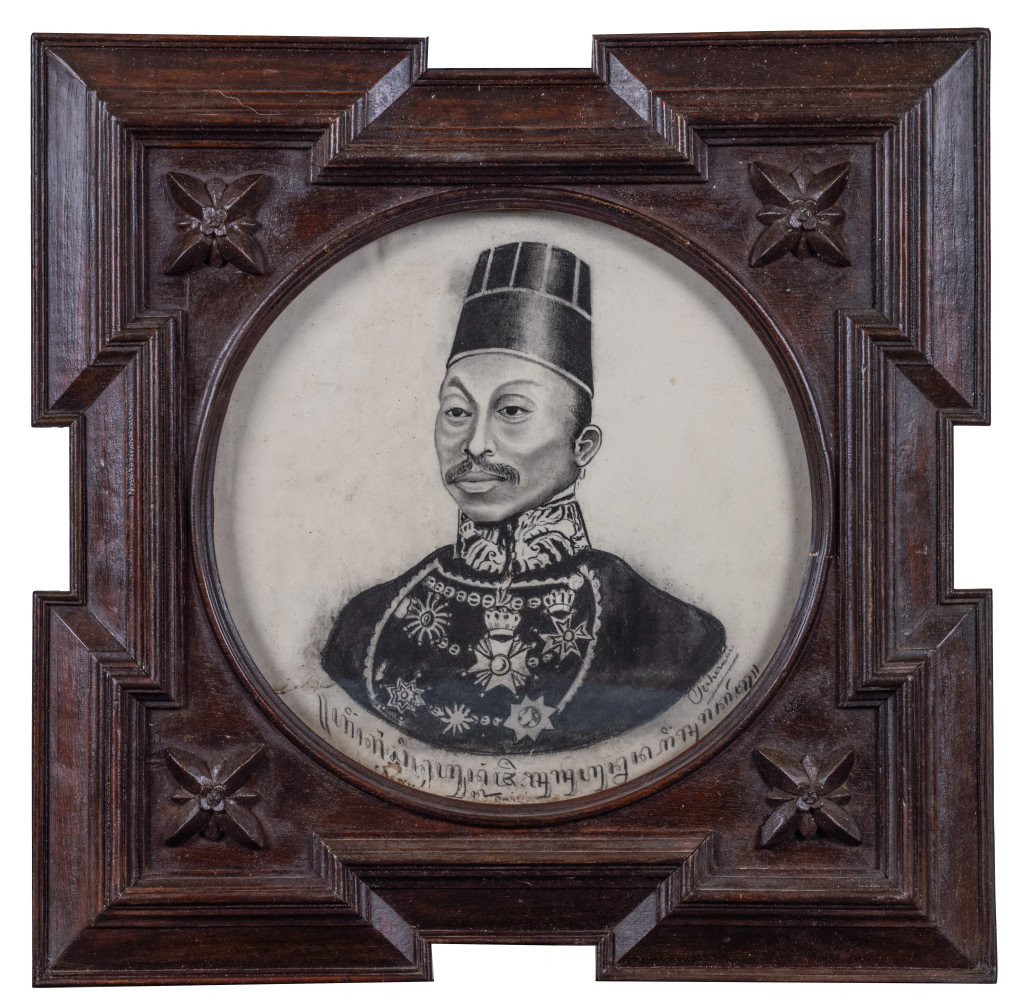
A portrait of Susuhunan Pakubuwono IX of Surakarta (1830-1893)
Pakubuwono IX, ruler of Surakarta then known as Solo, was the second son of Pakubuwono VI and reigned from 1861 till his death in 1893. He was born as Gusti Raden Mas Duksina and was still in the womb when his father was exiled to Ambon by the Dutch for supporting Prince Diponegoro's rebellion. After reaching adulthood, Raden Mas Duksina got the title Kangjeng Gusti Pangeran Haryo Prabuwijaya. As Pakubuwono IX, he ascended the throne to replace Pakubuwono VIII (his father's uncle) on December 30, 1861. The great Javanese poet Ranggawarsita (1802- 1873) described his reign in many of his literary works, for example, in Serat Kalatida.
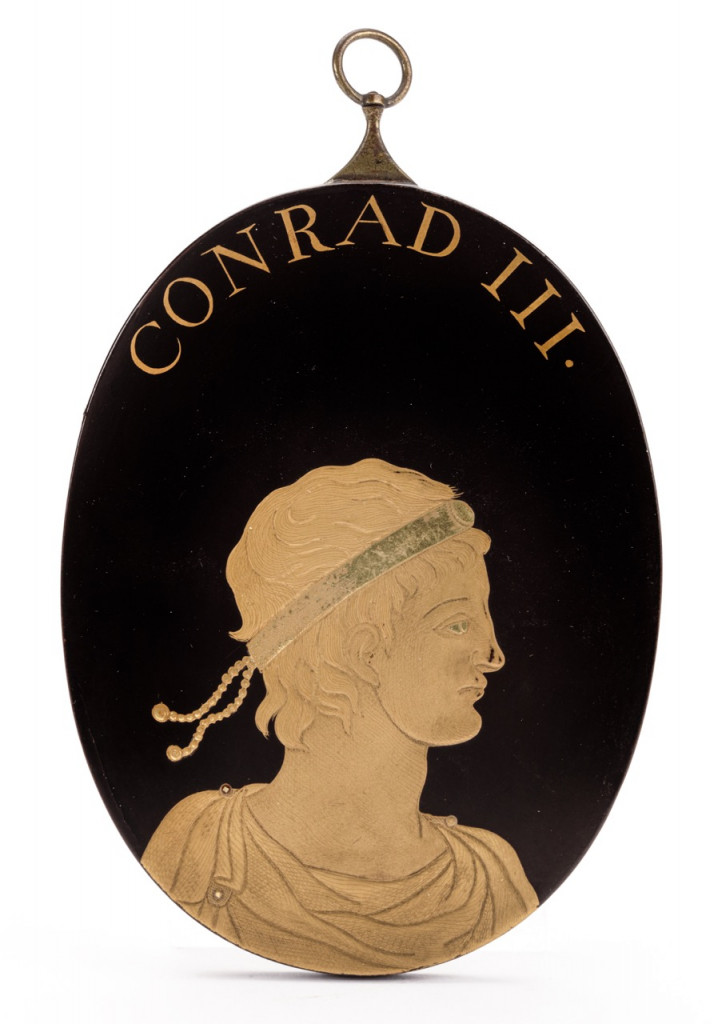
A collection of nine Japanese export lacquer portrait medaillons
A vogue for collecting portrait medallions of famous historical figures developed in the late eighteenth century. In England, in the 1770s Josiah Wedgwood exploited this with the production of ceramic medallions in both blue jasper and black basalt. Possibly in response to this fashion portrait medallions in black and gold lacquer on copper were produced in Japan from around 1780