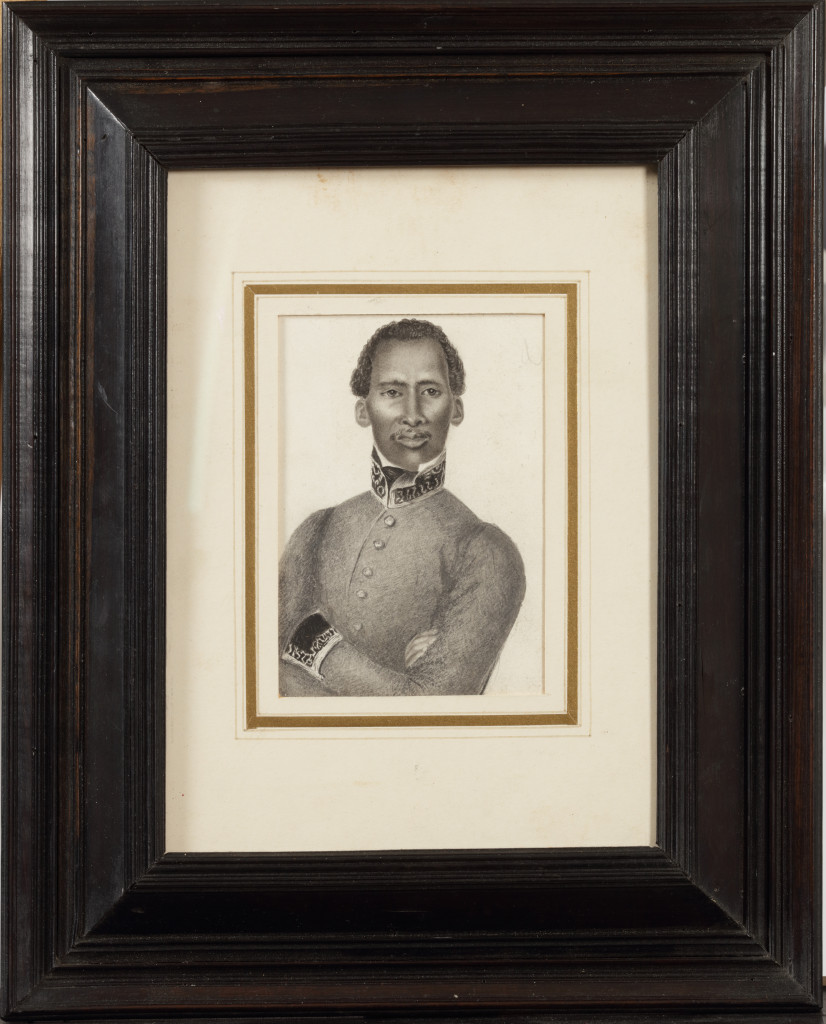
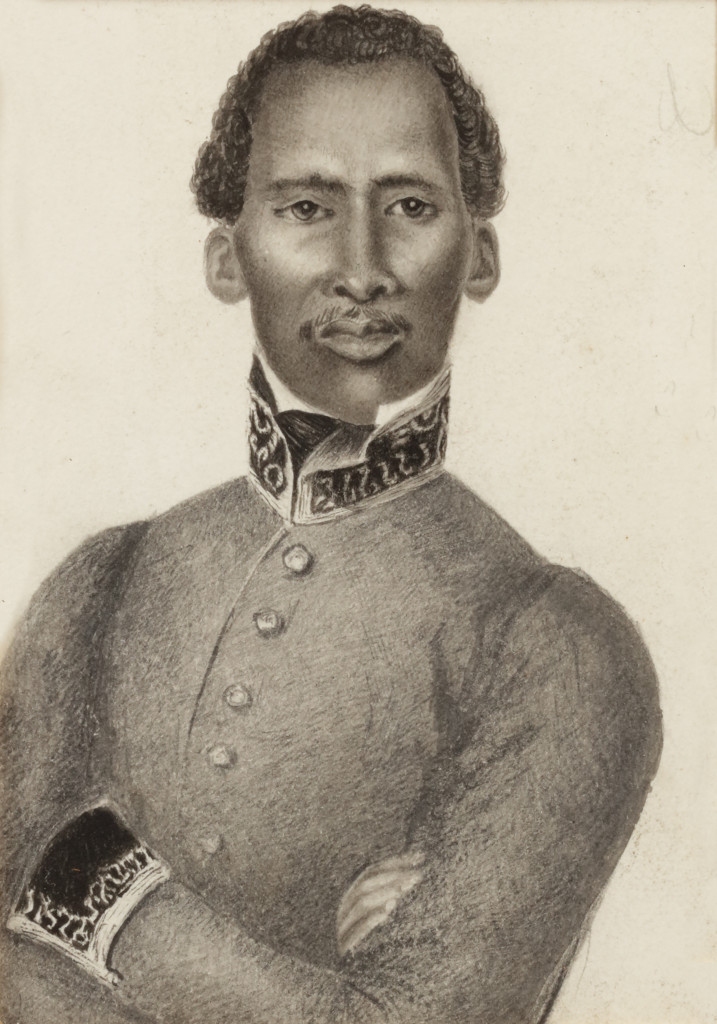
A pencil-drawing of Dyani Tshatshu (c.1792-1868), better known as 'Jan Tzatzoe'
South Africa or England, 19th-century
Pencil and ink on paper, approx. H. 15 x W. 20.5 cm
Jan Tzatzoe (approximately 1792-1868), an important person in South African history, is remembered as a great translator, diplomat, and politician. Tzatzoe, born into the Xhosa royal family, was destined to have a tremendous impact and bridge cultures. He was educated by Christian missionaries from a young age and acquired literacy and fluency in Xhosa and English. This education laid the groundwork for his critical function as a liaison between the Xhosa and European immigrants. His unique ability to navigate both worlds made him an invaluable translator for British colonial authorities and missionaries in the early nineteenth century.
Tzatzoe's work as a diplomat placed him in key negotiations during a time of intense turmoil and development in the Eastern Cape. He was an ardent advocate for his people, fighting to protect Xhosa interests from European intrusion. His dedication to his cause drove him across seas; in 1836, he traveled to England with a party that included the renowned Dr. John Philip. Their objective was to provide the British government with the Xhosa people's problems, asking justice and fair treatment from colonial authority.
Jan Tzatzoe left a legacy as a cultural bridge builder, using his degree and position to promote understanding and diplomacy. His efforts throughout a turbulent historical period are an integrated part of South Africa's pursuit of peace and equality.
Pencil and ink on paper, approx. H. 15 x W. 20.5 cm
Jan Tzatzoe (approximately 1792-1868), an important person in South African history, is remembered as a great translator, diplomat, and politician. Tzatzoe, born into the Xhosa royal family, was destined to have a tremendous impact and bridge cultures. He was educated by Christian missionaries from a young age and acquired literacy and fluency in Xhosa and English. This education laid the groundwork for his critical function as a liaison between the Xhosa and European immigrants. His unique ability to navigate both worlds made him an invaluable translator for British colonial authorities and missionaries in the early nineteenth century.
Tzatzoe's work as a diplomat placed him in key negotiations during a time of intense turmoil and development in the Eastern Cape. He was an ardent advocate for his people, fighting to protect Xhosa interests from European intrusion. His dedication to his cause drove him across seas; in 1836, he traveled to England with a party that included the renowned Dr. John Philip. Their objective was to provide the British government with the Xhosa people's problems, asking justice and fair treatment from colonial authority.
Jan Tzatzoe left a legacy as a cultural bridge builder, using his degree and position to promote understanding and diplomacy. His efforts throughout a turbulent historical period are an integrated part of South Africa's pursuit of peace and equality.
Part of the Africa collection.
Related objects
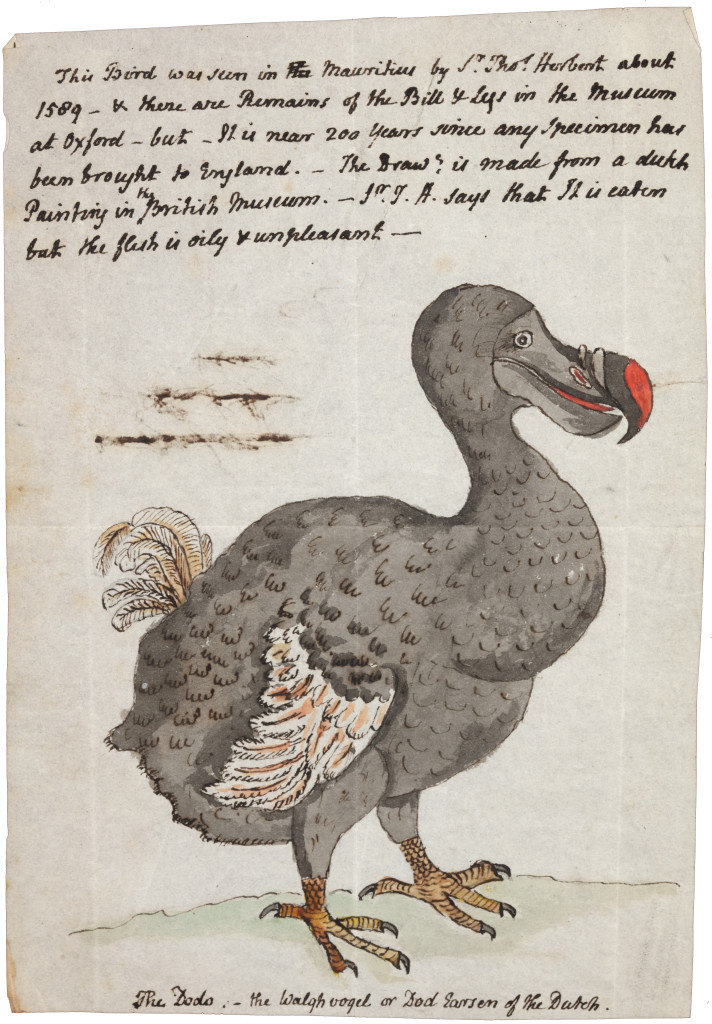
A drawing of a Dodo (Raphus cucullatus)
With text reading: “This bird was seen in Mauritius by Sir Th Herbert about 1589 – there are Remains of the bill + legs in the Museum at Oxford – but.– it is near 200 years since any specimen has been brought to England. The Draw(ing) is made from a Dutch Painting in the British Museum – (?) J. A. says that it is eaten but the flesh is oily + unpleasant –”
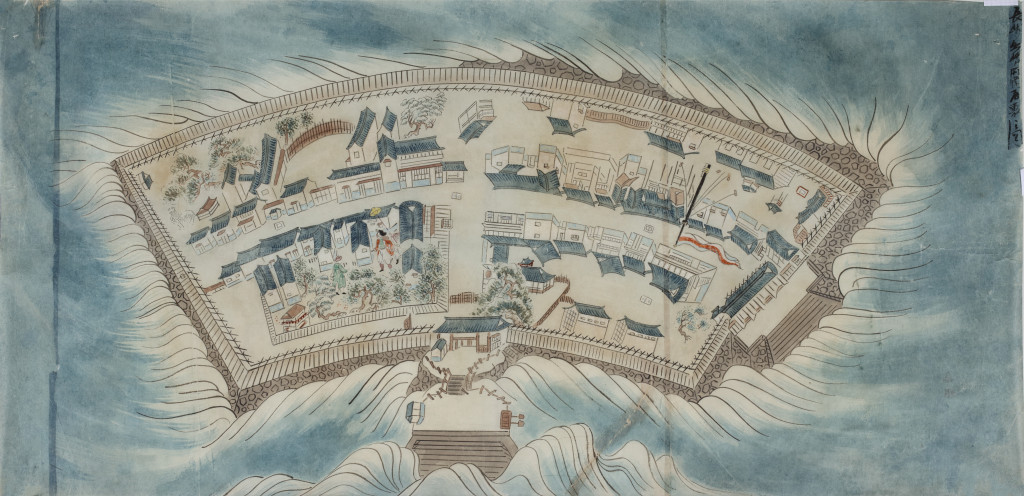
A Japanese drawing of the Dutch Residence at Deshima, Nagasaki Oranda Yahiki no Zu
Japan, 20th century, after the 18th-century original
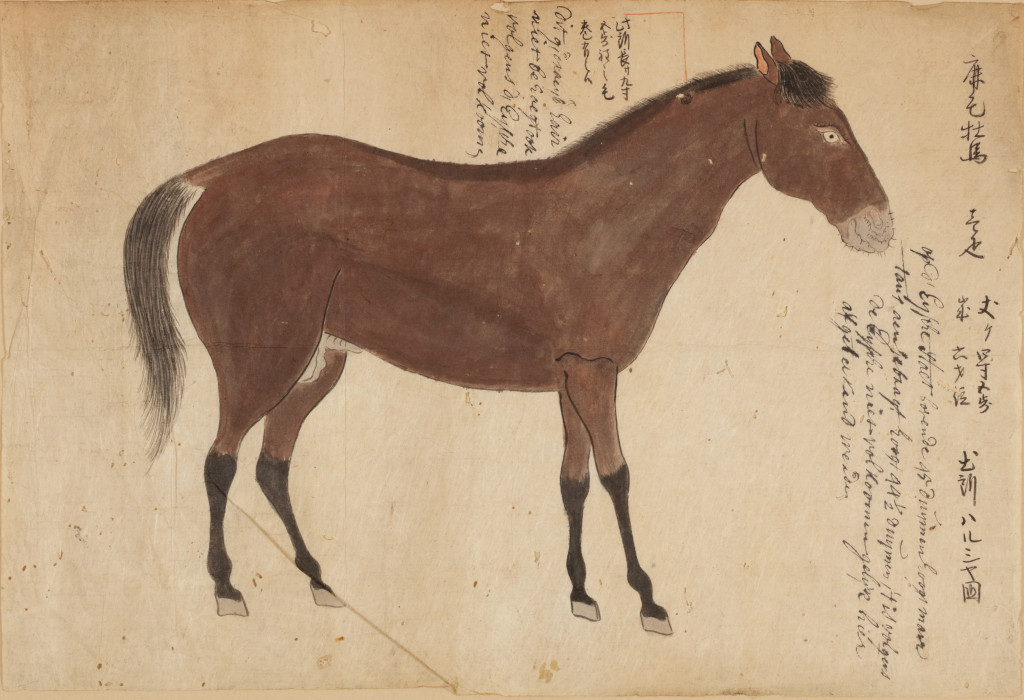
An important Japanese drawing of a Persian horse ordered by the Shogun ‘Eene Eysche van den Keyser’ (the Emperor’s demand)
With inscriptions in Japanese reading: ‘The horse is a chestnut male horse from Persia. Age is approximately 6 years old. The length of the face is approximately 27 cm (?). Hair is approximately 14 cm long. Mane is approximately 15 cm long of curly hair.'