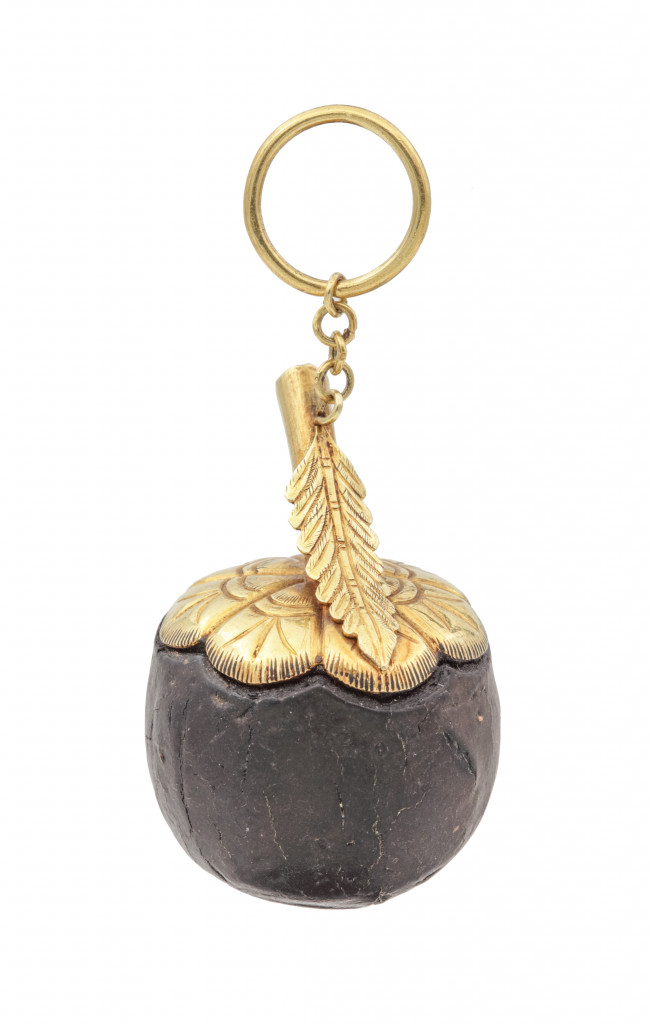
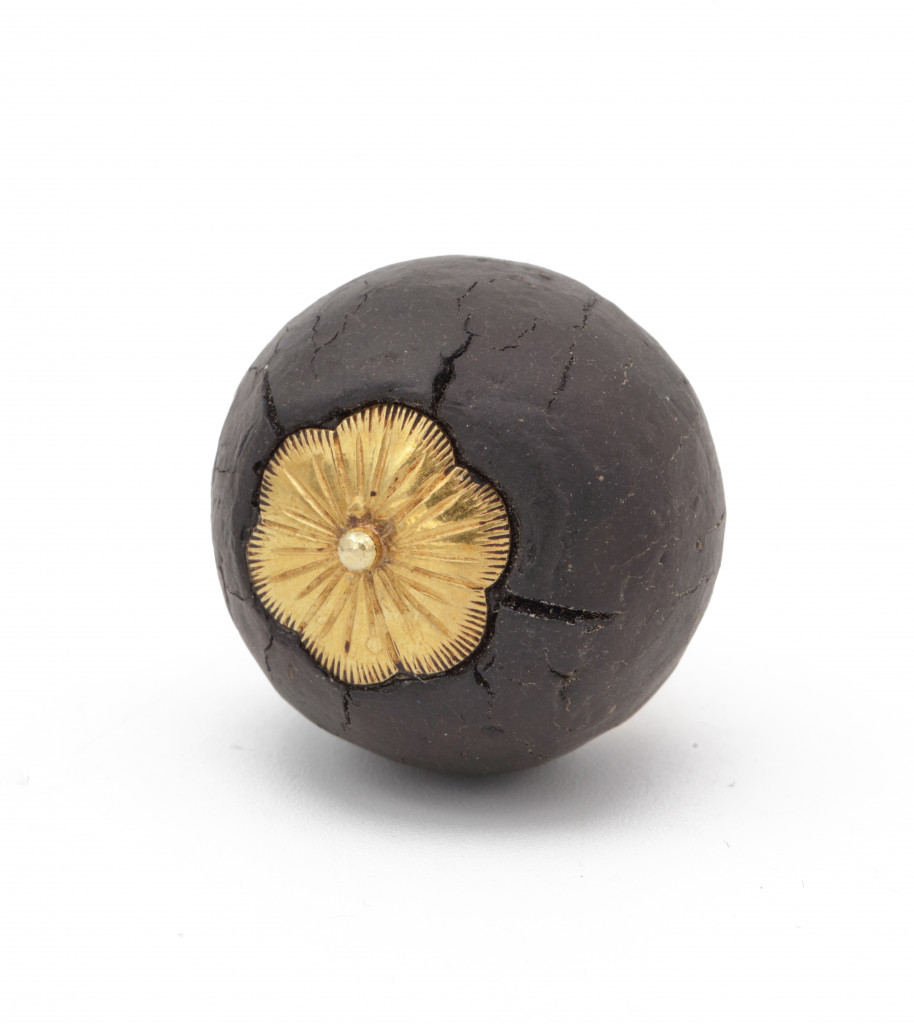
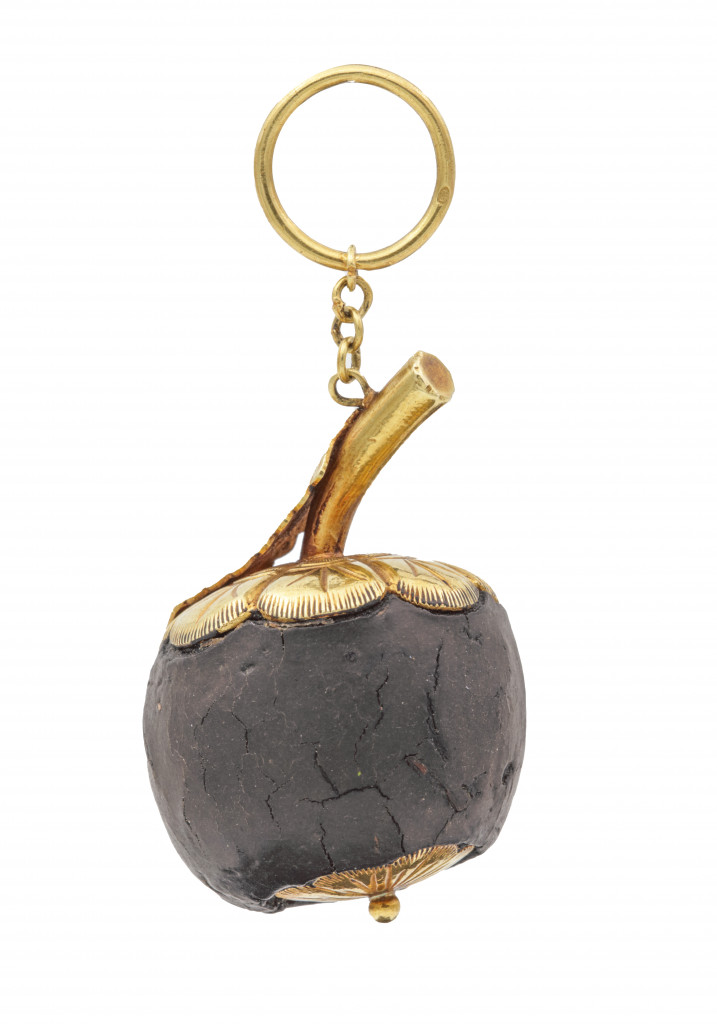
An ambergris and gold Indonesian or Dutch colonial perfume pendant in the form of a mangosteen fruit
Indonesia, probably 18th century
L. 3.5cm x diam. 2.5cm
Weight 18,66 grams
Ambergris, or ‘Ambar’ in Indonesian, is often dubbed the ‘gold of the sea’. It is a rare and precious substance with a history as intriguing as its aroma. Originating from the intestines of sperm whales, it forms when the whale's digestive system produces a secretion to envelop and protect its intestines from the sharp beaks of consumed squid. Over time, this substance hardens and is either expelled by the whale or becomes part of its remains when it dies.
Historically, ambergris was highly coveted by ancient civilizations. The Egyptians burned it as incense, while the Chinese cherished it for its medicinal properties. In medieval Europe, it was used both as a fragrance and as a flavouring agent for food and drinks. Its unique musky and earthy scent made it a key ingredient in high-end perfumes, a use that continues to this day.
The allure of ambergris is matched only by its rarity. Since it's found floating in tropical waters or washed ashore, its discovery is often accidental. The unpredictable nature of its occurrence has made it a valuable commodity, being worth more than gold.
L. 3.5cm x diam. 2.5cm
Weight 18,66 grams
Ambergris, or ‘Ambar’ in Indonesian, is often dubbed the ‘gold of the sea’. It is a rare and precious substance with a history as intriguing as its aroma. Originating from the intestines of sperm whales, it forms when the whale's digestive system produces a secretion to envelop and protect its intestines from the sharp beaks of consumed squid. Over time, this substance hardens and is either expelled by the whale or becomes part of its remains when it dies.
Historically, ambergris was highly coveted by ancient civilizations. The Egyptians burned it as incense, while the Chinese cherished it for its medicinal properties. In medieval Europe, it was used both as a fragrance and as a flavouring agent for food and drinks. Its unique musky and earthy scent made it a key ingredient in high-end perfumes, a use that continues to this day.
The allure of ambergris is matched only by its rarity. Since it's found floating in tropical waters or washed ashore, its discovery is often accidental. The unpredictable nature of its occurrence has made it a valuable commodity, being worth more than gold.
Related objects
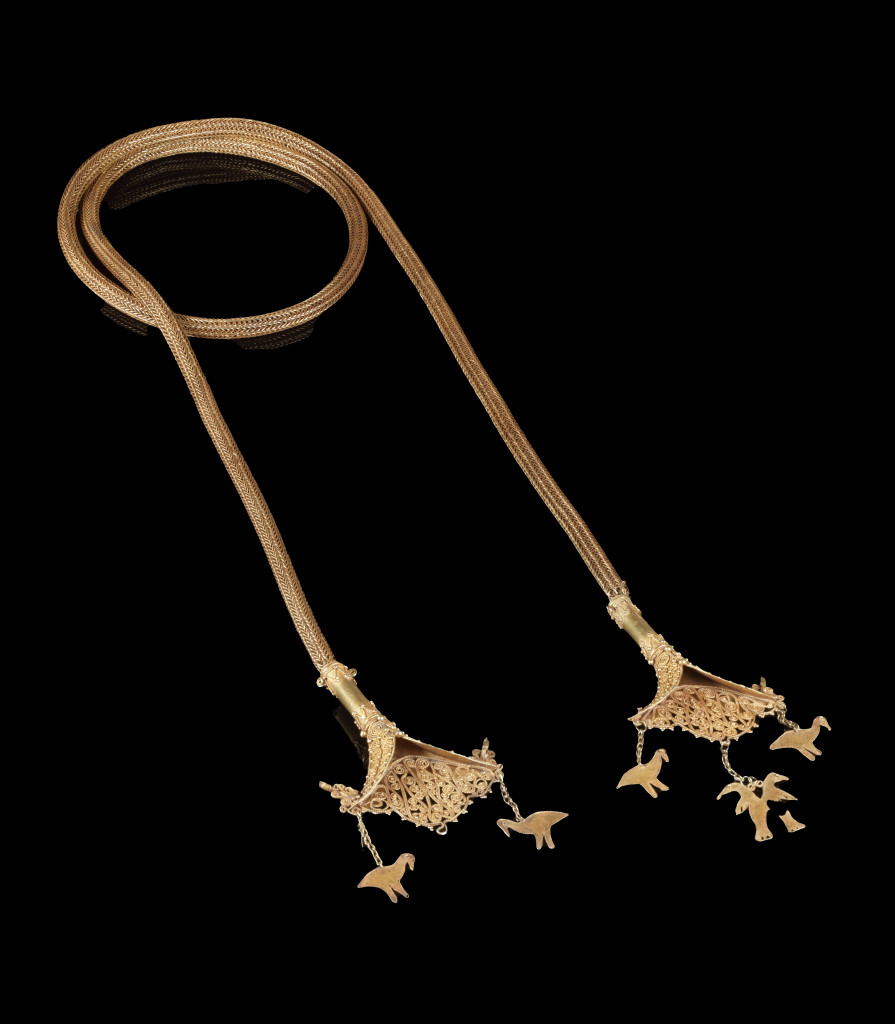
A royal Sumbese gold ceremonial necklace or 'Kanatar'
_Indonesia, East Sumba, 19th century_ _L. approx. 189 cm_ Provenance: -Collection of a notable from the Hague who stayed in the former Dutch East Indies around circa 1900; thence by descent -Purchased from the above by a distinguished Dutch collector (name is known to us) between 1970 and 1980 We are grateful to Mr. Jaap Polak for his assistance in determining the specifics and date of this finial above.
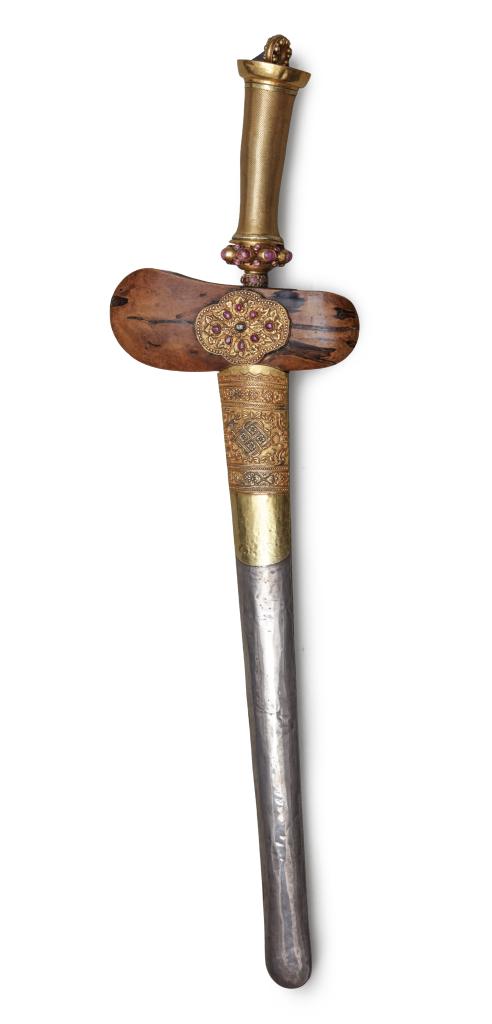
A Balinese kris with gold and silver mounts decorated with ruby cabochons
_Bali, 18th century, the scabbard late 19th century_ _L. 60 cm_ Provenance: Private collection, Germany
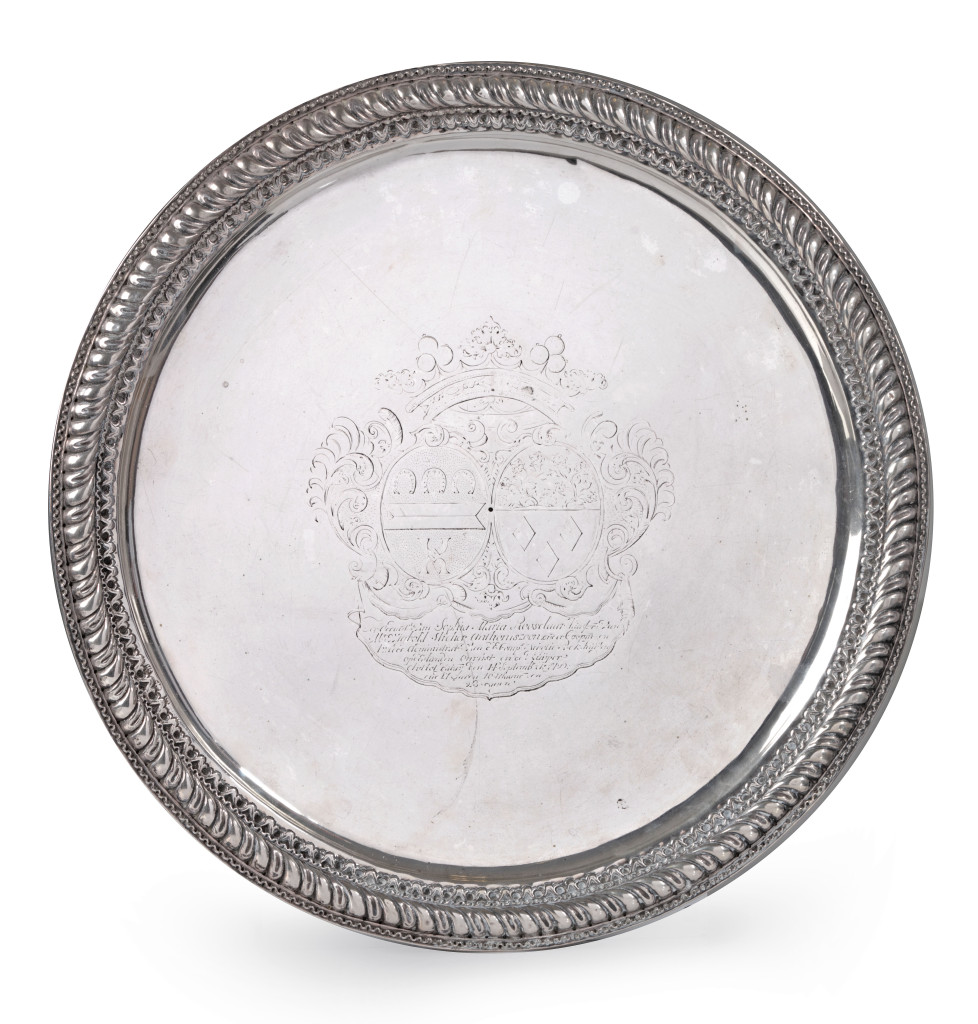
An Indonesian silver commemorative 'Schenkpiring' salver
Indonesian silver salver